Best Spiritual Travel Destinations for Inner Peace

In a world that often moves at a relentless pace, a longing for inner peace and genuine connection has never been stronger. Many aren’t just looking for solace and transformation in their daily routines; they’re setting their sights on sacred, historically significant locales. These spiritual havens offer a unique chance to hit pause on the everyday grind, take stock, and truly reconnect with one’s inner self.
Whether you’re aiming to deepen your faith, unearth ancient wisdom, or simply find a tranquil spot for meditation and introspection, the right destination can be a game-changer for profound personal growth. From age-old temples to mystical mountains, our world is brimming with places that have nurtured human spirituality for thousands of years. This article will walk you through some of the best spiritual travel destinations, each offering a distinct pathway to rejuvenation and enlightenment.
The Allure of Spiritual Travel
Why Seek Spiritual Journeys?
Spiritual travel is far more than just sightseeing; it’s a deliberate pilgrimage crafted to foster personal growth and inner peace. Travelers often embark on these journeys to escape the relentless drumbeat of modern life, confront personal hurdles head-on, or simply to gain a fresh perspective on their very existence. The simple act of venturing to a sacred site, often a world away from home, can be a powerful catalyst for change.
These experiences frequently involve delving into local spiritual practices, taking part in time-honored rituals, or simply spending quiet moments in deep contemplation. Breaking free from daily routines allows for a heightened sense of awareness and an openness to new insights, making these some of the most profoundly transformative travel experiences one can ever undertake.
What to Expect from a Spiritual Destination
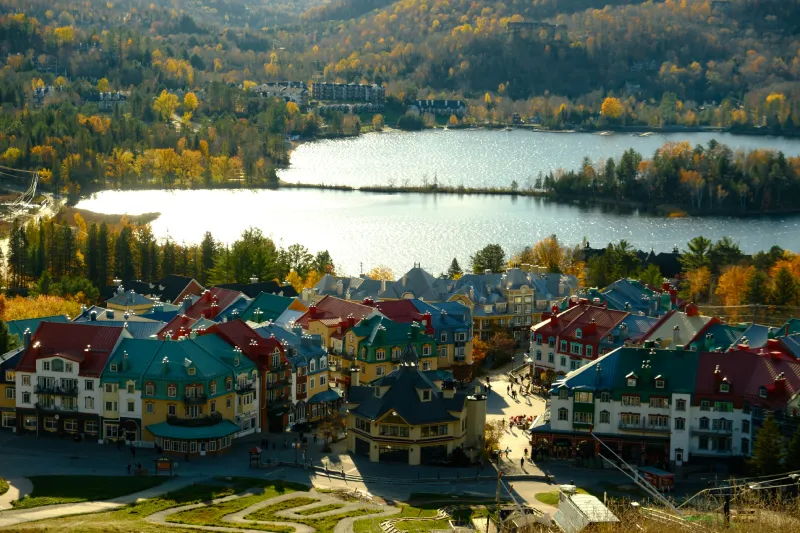
When you set off to explore the best spiritual travel destinations, prepare for an atmosphere steeped in history, reverence, and often, breathtaking natural beauty. These places are typically chosen for their deep historical roots in a particular faith or philosophical tradition, or for their inherent tranquility that practically begs for introspection. You might stumble upon ancient temples, serene monasteries, awe-inspiring natural landscapes, or vibrant communities wholly dedicated to spiritual living.
Preparation, as they say, is half the battle; understanding the local customs and spiritual etiquette will undoubtedly enrich your experience. Many seasoned travelers find that engaging with local guides or spiritual teachers can unlock deeper meanings and provide invaluable context, truly bringing their journey to life.
India: The Land of Enlightenment
Rishikesh: Yoga Capital of the World
Nestled snugly in the foothills of the Himalayas, Rishikesh is globally celebrated as the “Yoga Capital of the World.” This bustling town, perched on the banks of the sacred Ganges River, draws seekers from every corner of the globe. Here, you can fully immerse yourself in a myriad of yoga forms, meditation, and Ayurvedic practices, easily making it one of the premier spiritual travel destinations for health and wellness.
But it’s not all ashrams and yoga schools; Rishikesh also throws open opportunities for white-water rafting, trekking, and exploring ancient temples. The evening Ganga Aarti ceremony, a mesmerizing fire ritual unfolding on the riverbanks, is a profound spiritual spectacle that pulls in crowds daily, fostering a deep sense of community and devotion that’s truly infectious.
Varanasi: City of Light and Death
Varanasi, one of the world’s oldest continuously inhabited cities, holds immense spiritual significance for Hindus. Situated on the Ganges’ western bank, legend has it that passing away in Varanasi grants salvation. The city’s ghats (steps leading to the river) offer a constant, vivid tableau of life and death, with pilgrims performing rituals, bathing in the sacred waters, and cremating their departed loved ones.
Read Also : Essential Items for Spiritual Travel: A Complete Guide
A boat ride along the Ganges at dawn provides an unparalleled window into the very spiritual heart of India. The vibrant, beautiful chaos, the ancient temples, and the unwavering devotion coalesce to make Varanasi a deeply moving and utterly unforgettable destination for those chasing profound spiritual understanding.
Bodh Gaya: The Place of Buddha’s Enlightenment
Bodh Gaya stands as perhaps the most sacred site in Buddhism, for it was right here that Siddhartha Gautama found enlightenment beneath the Bodhi Tree and became the Buddha. The Mahabodhi Temple Complex, a UNESCO World Heritage site, commemorates this pivotal event. Pilgrims from all Buddhist traditions flock to Bodh Gaya to meditate, pray, and quite literally walk in the Buddha’s footsteps.
The serene atmosphere of Bodh Gaya, dotted with numerous monasteries built by various Buddhist nations, offers a powerful environment ripe for meditation and reflection. It’s an essential pilgrimage for anyone with an interest in Buddhist philosophy and a truly impactful spiritual travel destination that sticks with you.

Tibet: The Roof of the World
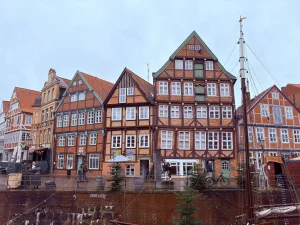
Lhasa: Heart of Tibetan Buddhism
Lhasa, the capital of Tibet, is a city steeped in mystique and profound spiritual significance. Home to the iconic Potala Palace, once the residence of the Dalai Lamas, and the revered Jokhang Temple, Lhasa truly is the spiritual heart of Tibetan Buddhism. The city’s high altitude and remote location only add to its ethereal quality, making for a truly one-of-a-kind spiritual journey.
Pilgrims can be seen circumambulating Barkhor Street around the Jokhang Temple, meticulously spinning prayer wheels, and prostrating themselves in devotion. The vibrant spiritual energy of Lhasa is palpable, offering visitors a profound glimpse into an ancient and remarkably resilient culture.
Mount Kailash: Sacred Peak
Mount Kailash, a majestic peak nestled in the Himalayas, is held sacred by Hindus, Buddhists, Jains, and Bön practitioners alike. It’s believed to be the abode of Lord Shiva and a potent spiritual vortex. Pilgrims undertake a challenging circumambulation (kora) around the mountain, a journey that spans several days and is believed to cleanse sins and usher in good fortune.
The trek to Mount Kailash is physically demanding, to be sure, but spiritually immensely rewarding. For many, it represents the ultimate pilgrimage, offering unparalleled vistas and an intense connection to the divine in one of the world’s most remote and pristine environments.
Japan: Serenity and Tradition

Kyoto: Temples and Zen Gardens
Kyoto, Japan’s ancient capital, is a veritable treasure trove of spiritual sites, boasting well over 2,000 temples and shrines, alongside exquisite Zen gardens. It’s a city where age-old traditions effortlessly intertwine with modern life, providing a serene backdrop for deep spiritual exploration. The Ryoan-ji Zen garden, with its minimalist rock arrangements, is the quintessential spot for quiet contemplation.
Read Also : Best Weekend Getaway Destinations for [apc_current_year]
Visitors can partake in traditional tea ceremonies, practice Zazen meditation in a peaceful temple, or simply wander through enchanting bamboo forests and historic neighborhoods, discovering moments of peace and aesthetic appreciation around every corner. Kyoto truly shines as one of the best spiritual travel destinations for those seeking both tranquility and deep cultural immersion.
Mount Koya: Shingon Buddhism’s Sanctuary
Mount Koya (Koyasan) serves as the spiritual home of Shingon Buddhism, an esoteric sect introduced to Japan in the 9th century. This secluded mountaintop, easily accessible by cable car, hosts over 100 temples, including Kongobu-ji, the head temple, and Okunoin, a vast and wonderfully atmospheric cemetery. Opting for an overnight stay in a temple lodging (shukubo) offers a unique opportunity to experience a monk’s daily life firsthand, complete with morning prayers and traditional vegetarian meals.
The profound peace and spiritual atmosphere of Koyasan make it an ideal spot for reflection and experiencing authentic Japanese Buddhist culture. It’s a powerful retreat for anyone yearning for a deeper connection to mindfulness and ancient wisdom.
Peru: Ancient Wisdom of the Andes
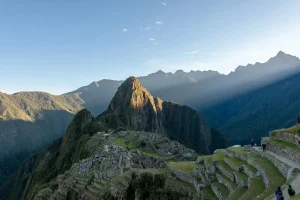
Machu Picchu: Incan Citadel
Machu Picchu, the lost city of the Incas, is not merely an architectural marvel; it’s also a site brimming with profound spiritual energy. Perched majestically high in the Andes Mountains, this ancient citadel is widely believed to have been a sacred religious site and royal estate. The sheer precision of its construction and its seamless integration with the natural landscape evoke a powerful sense of wonder and reverence.
Many visitors report feeling a powerful connection to the earth and the cosmos while exploring Machu Picchu. The journey itself, often involving the famed Inca Trail, is a pilgrimage culminating in a breathtaking spiritual experience, firmly placing it among the top contenders for the best spiritual travel destinations.
Sacred Valley: Spiritual Heart of Peru
Beyond Machu Picchu, Peru’s Sacred Valley (Valle Sagrado) holds deep spiritual significance for the Quechua people. This fertile valley, dotted with ancient Incan ruins, traditional villages, and agricultural terraces, is a living testament to where ancient Andean traditions continue to flourish. Participating in a Pachamama (Mother Earth) ceremony or a coca leaf reading with a local shaman can provide truly profound insights.
The stunning natural beauty, coupled with the enduring spiritual practices of the indigenous communities, creates an environment ripe for healing and self-discovery. Exploring the Sacred Valley offers a rich tapestry of cultural and spiritual experiences that will stay with you long after you’ve left.
Israel: A Confluence of Faiths
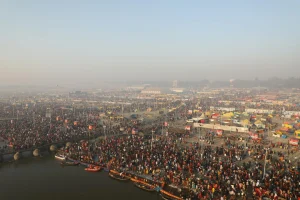
Jerusalem: Holy City for Three Religions
Jerusalem is arguably one of the most significant spiritual travel destinations on Earth, revered as a holy city by Jews, Christians, and Muslims alike. Its ancient stone walls and labyrinthine alleyways hold millennia of history and countless sacred sites, including the Western Wall, the Church of the Holy Sepulchre, and the Dome of the Rock.
Read Also : Underrated European Destinations: Hidden Gems
Walking through Jerusalem’s Old City is akin to stepping back in time—a powerful journey that allows visitors to witness the convergence of diverse faiths and their shared spiritual heritage. The city delivers an intense, deeply moving, and often overwhelming spiritual experience that is truly one-of-a-kind.
Galilee: Jesus’ Ministry
The Galilee region in northern Israel is central to Christian pilgrimage, having been the primary area of Jesus’ ministry. Sites like Nazareth, the Sea of Galilee, Capernaum, and the Mount of Beatitudes offer tangible connections to biblical narratives. Visiting these locations allows pilgrims to literally walk in the footsteps of Jesus and reflect deeply on the origins of Christianity.
The serene landscapes and profound historical significance of Galilee provide a peaceful contrast to the intensity of Jerusalem, offering a deeply personal and reflective spiritual journey for countless believers.
Greece: Cradle of Western Philosophy
Delphi: Oracle of Apollo
Delphi, nestled gracefully on the slopes of Mount Parnassus, was considered by the ancient Greeks to be the very center of the world. It was home to the legendary Oracle of Apollo, where priestesses delivered cryptic prophecies that, for centuries, shaped major decisions across the ancient world. The ruins of the temple, theater, and stadium evoke a powerful sense of history and deep spiritual inquiry.
A visit to Delphi offers a unique opportunity to connect with the very roots of Western philosophy and spirituality, allowing you to ponder profound questions of fate, wisdom, and the human condition in a truly majestic setting.
Mount Athos: Monastic State
Mount Athos, a self-governed monastic state in Northern Greece, stands as a unique spiritual enclave dedicated solely to Orthodox Christian monasticism. Home to twenty magnificent monasteries, it has been a vibrant center of spiritual life for well over a thousand years. Access is strictly restricted, with only male pilgrims typically allowed, and special permits are a must.
For those granted entry, Mount Athos offers an unparalleled immersion into ancient monastic traditions, a place where time seems to stand still, fostering deep prayer, intense contemplation, and a profound connection to Orthodox spirituality that is truly rare.
Egypt: Mysticism of the Pharaohs
Giza Pyramids: Ancient Wonders
The Giza Pyramids and the Sphinx are much more than mere architectural wonders; they are enduring symbols of ancient Egyptian spirituality and monumental human achievement. These colossal structures were built as tombs for pharaohs, believed to be sacred gateways to the afterlife, and are imbued with an undeniable sense of timeless mystery and power.
Standing before these ancient monuments, one can’t help but feel a profound connection to the distant past and contemplate the sheer vastness of human endeavor and unwavering belief in the spiritual realm. They remain one of the most iconic and powerfully resonant spiritual travel destinations on the planet.
Luxor: Temple City
Luxor, often affectionately dubbed the “world’s greatest open-air museum,” is home to some of Egypt’s most magnificent temples and tombs. The Karnak Temple Complex, Luxor Temple, and the Valley of the Kings and Queens stand as monumental testaments to the sophisticated spiritual beliefs of ancient Egypt. These sites were absolutely central to the worship of gods and the pharaohs’ intricate journey to the afterlife.
Read Also : Safest Countries for Solo Female Travelers [apc_current_year]
Exploring Luxor allows visitors to delve deep into the rich tapestry of ancient Egyptian religion, mythology, and the pharaohs’ relentless quest for immortality, offering a truly mystical and incredibly educational spiritual journey.
Bali, Indonesia: Island of the Gods
Ubud: Cultural and Spiritual Hub
Bali, often lovingly referred to as the “Island of the Gods,” is a veritable haven for spiritual seekers. Ubud, in particular, stands as its beating cultural and spiritual heart. Surrounded by lush rice paddies and sacred monkey forests, Ubud offers countless opportunities for yoga, meditation, healing retreats, and traditional Balinese ceremonies. The gentle, spiritual nature of the Balinese people is deeply infectious and wonderfully welcoming.
Visitors can explore ancient temples, participate in purification rituals at holy springs like Tirta Empul, or simply soak in the serene atmosphere that permeates the island, making it one of the most accessible and welcoming of the best spiritual travel destinations.
Besakih Temple: Mother Temple
Perched majestically high on the slopes of Mount Agung, Bali’s highest volcano, Besakih Temple is the largest and holiest temple complex on the island. Revered as the “Mother Temple,” it comprises numerous temples dedicated to various Hindu gods and revered ancestors. Its dramatic setting and intricate architecture make it a breathtaking sight and a powerful epicenter of Balinese Hinduism.
A visit to Besakih offers a profound insight into the spiritual life of Bali, especially during one of its many colorful ceremonies, where offerings and prayers fill the air, creating an unforgettable spiritual spectacle that truly touches the soul.
Conclusion
Embarking on a spiritual journey to one of the best spiritual travel destinations is truly an investment in your well-being and personal growth. Each location, from the ancient ghats of Varanasi to the tranquil temples of Kyoto, lays out a unique pathway to introspection, healing, and deeper connection. These journeys aren’t just about ticking off landmarks; they’re about opening your heart and mind wide to new perspectives and profoundly moving experiences.
Whether you’re seeking the wisdom of age-old traditions, the serenity found in nature, or a clearer understanding of your own faith, the world serves up an abundance of sacred spaces. By choosing a destination that truly resonates with your personal quest, you can unlock transformative moments that will enrich your life long after you’ve returned home. These spiritual pilgrimages stand as a powerful reminder of our shared human desire for meaning and genuine connection.
FAQ
A spiritual destination typically boasts historical or cultural significance tied to religious practices, philosophical traditions, or simply possesses a natural beauty that inspires deep introspection and a sense of connection to something greater than oneself. It's often a place where people go for pilgrimage, meditation, healing, or to broaden their understanding of life's bigger picture.
Absolutely not! While many spiritual destinations are indeed rooted in religious traditions, their appeal stretches far beyond to anyone seeking inner peace, cultural immersion, personal growth, or simply a deeper understanding of humanity's incredibly diverse beliefs. Many travelers visit these sites purely for their historical value, architectural beauty, or just to find a quiet space for genuine reflection.
Preparation can vary quite a bit, but generally, it involves researching local customs and etiquette, especially regarding dress codes for sacred sites. Do consider your physical fitness if trekking is on the cards. Mentally, approach the journey with an open mind and heart, ready to embrace new experiences and perspectives wholeheartedly. It's also a smart move to pack light and comfortably, focusing on essentials that foster introspection rather than unnecessary distractions.
Many spiritual travel destinations are indeed very safe for solo travelers, particularly if you exercise common sense precautions. It's always a good idea to research the specific destination's safety ratings, read reviews from other solo adventurers, and perhaps consider joining guided tours or staying in accommodations that foster community, like guesthouses or ashrams, to boost both safety and social interaction.
Common activities often include meditation, yoga, attending religious ceremonies or rituals, visiting temples, churches, or mosques, engaging in silent retreats, hiking through sacred landscapes, learning from local spiritual teachers, and simply spending quality time in quiet contemplation. The main focus is usually on introspection, mindfulness, and forging a deeper connection with the local culture and its unique spiritual practices.


Popular Posts


Embracing Spiritual Growth Through Travel and Exploration
Travel is more than just seeing new places; it's a profound journey into oneself. This article explores how embracing travel and exploration can significantly contribute to your spiritual growth, offering unique perspectives and transformative experiences.


