What to Do If Your Flight is Delayed First Time: A Guide

That buzz of excitement before a trip? It can really take a nosedive when you spot the dreaded “delayed” status flashing next to your flight. If this is your first rodeo with a flight delay, it’s completely normal to feel a bit adrift or even overwhelmed. You might find yourself scratching your head, wondering about your rights, the next steps to take, or even if you’ll wave goodbye to that crucial connecting flight.
But here’s the silver lining: armed with a solid understanding and a clear game plan, you can tackle a flight delay head-on and with confidence. This comprehensive guide is designed to walk you through exactly what to do if your flight is delayed for the first time, giving you the inside scoop to manage the situation like a pro and keep stress at bay. From those critical first moves at the airport to nailing down your compensation rights, we’ve got your back.
Understanding Your Flight Delay Status
How to Check for Updates
The moment you realize your flight has hit a snag, your first port of call should be to get your hands on the most accurate, up-to-the-minute information available. Don’t just rely on the departure board; more often than not, you’ll find a wealth of detailed information elsewhere. Kick things off by checking the airline’s official mobile app, which typically offers real-time updates, estimated new departure times, and sometimes even sheds light on the reason behind the hold-up. Many airlines are also on the ball, sending SMS or email notifications directly to passengers.
Beyond that, airline websites usually feature a “Flight Status” section where you can simply plug in your flight number. Third-party flight tracking apps like FlightAware or FlightStats can also offer invaluable insights, occasionally even before the airline makes an official announcement. Remember to hit refresh on these sources regularly, as things can change on a dime.
Why Delays Happen
Flight delays can pop up for a myriad of reasons, and understanding the usual suspects can certainly help you manage your expectations. Weather conditions are a frequent culprit, ranging from gnarly storms to thick fog, which can play havoc with visibility and safety. Technical glitches with the aircraft, like mechanical problems, also lead to delays because safety is always paramount, and repairs take time. Air traffic control restrictions, often due to heavy congestion or unforeseen events, can also put a damper on departures.
Other factors that throw a wrench in the works include operational issues such as crew availability (pilots or flight attendants timing out), baggage handling SNAFUs, or even the previous flight running behind schedule. While these factors are well beyond your control, knowing the potential causes can help you make sense of the airline’s communication and possible remedies.
Knowing Your Rights as a Passenger
One of the most crucial pieces of the puzzle when figuring out what to do if your flight is delayed first time is having a firm grasp on your passenger rights. These rights can vary significantly depending on your departure and arrival points, especially if you’re flying within, to, or from the European Union (EU) or the United States. For instance, under EU Regulation EC 261/2004, passengers may be entitled to “care” (think meals, refreshments, and ways to communicate) and even financial compensation for substantial delays (typically over three hours) if the airline is to blame.
Across the pond in the US, passenger rights are less rigid, but airlines are generally expected to keep passengers in the loop about delays and cancellations. While the law doesn’t mandate compensation for delays, many airlines do extend goodwill gestures like meal vouchers for lengthy hold-ups. Your best bet is always to check the specific airline’s “Conditions of Carriage” on their website or directly inquire about their delay policy, as these can differ wildly.
Immediate Actions at the Airport

Stay Calm and Collected
It’s easy to lose your cool when your travel plans get thrown into disarray, especially if this is your first time experiencing a flight delay. However, letting emotions get the better of you rarely helps and can actually make it harder to think straight. Take a deep breath, acknowledge the inconvenience, and then pivot your focus towards finding solutions. A calm demeanor will also pave the way for more productive interactions with airline staff.
Read Also : Car Rental Tips for First-Time Travelers Abroad

Bear in mind that airline staff are often swamped with frustrated passengers and are doing their level best under trying circumstances. Approaching them respectfully and clearly articulating your needs will likely yield far better results than coming in hot. Your main goal here is to gather information and explore your options, which demands a clear head.
Approach the Airline Desk
Once you’ve digested the initial information, make a beeline for the airline’s customer service desk or the gate agent. This is your goldmine for direct assistance and rebooking possibilities. Be prepared for a potentially long queue, especially if there’s a major disruption. While you’re waiting in line, use your phone to scout out alternative flights, whether with the same airline or others.
When it’s your turn, clearly state your flight number and destination. Don’t be shy about asking specific questions: “What’s the estimated new departure time?”, “Are there any alternative flights available today or tomorrow?”, “What’s the reason for this delay?”, and “What assistance (like meals or accommodation) is the airline offering?” Having your questions ready will help keep the conversation on track.

Connect with Other Passengers
Never underestimate the power of camaraderie during a flight delay. Strike up a conversation with your fellow passengers; they might have overheard crucial information you missed, or you could swap insights. Sometimes, a united front of passengers approaching the airline staff can carry more weight. You might even find someone heading to the same destination or grappling with similar connection woes, allowing you to pool resources or share information.
This networking can also be a godsend if you need to split a taxi to a hotel or are on the hunt for recommendations for nearby eateries or amenities. While individual actions are vital, a shared experience often paves the way for shared solutions and a more upbeat outlook during a trying time.
Utilizing Technology to Your Advantage


Airline Apps and Websites
In this digital age, your smartphone is truly your best friend during a flight delay. As mentioned, airline apps dish out real-time updates, often quicker than the airport screens. Many apps also let you rebook flights directly, check in for new flights, or even chat with customer service reps, potentially sparing you a lengthy wait in a physical line. Make sure to set up notifications for your flight so you get alerts the instant they drop.
Beyond just checking flight status, the airline’s website is a treasure trove of information. Dig around for sections like “Conditions of Carriage,” “Delay Policy,” or “Passenger Rights.” These documents lay out exactly what the airline is obligated to provide in various delay scenarios. Getting familiar with these can certainly bolster your position when you’re negotiating for assistance.
Third-Party Flight Trackers
While airline apps are non-negotiable, third-party flight tracking websites and apps like FlightAware, FlightStats, or Google Flights can offer a much broader view. These tools often show the status of the inbound aircraft, helping you understand if your delay stems from the plane itself running behind. They can also serve up historical delay data for your route, which might give you a heads-up about recurring issues.
These trackers are particularly handy for spotting alternative flight options across different airlines, which can be critical if you decide to rebook on another carrier (though this typically comes out of your own pocket unless the original airline rebooks you). They give you a bird’s-eye view of the air traffic situation, helping you anticipate further delays or pinpoint quicker solutions.
Read Also : Essential Travel Gear for New Travelers: Your Ultimate Guide
Communication Tools
Keeping family, friends, or business contacts in the loop about your delay is absolutely paramount. Lean on messaging apps, email, or social media to update them. If you have a connecting flight or someone planning to pick you up, ensure everyone affected is aware of your new estimated arrival time. Many airports offer free Wi-Fi, which is a lifesaver for staying connected without racking up hefty data roaming charges.
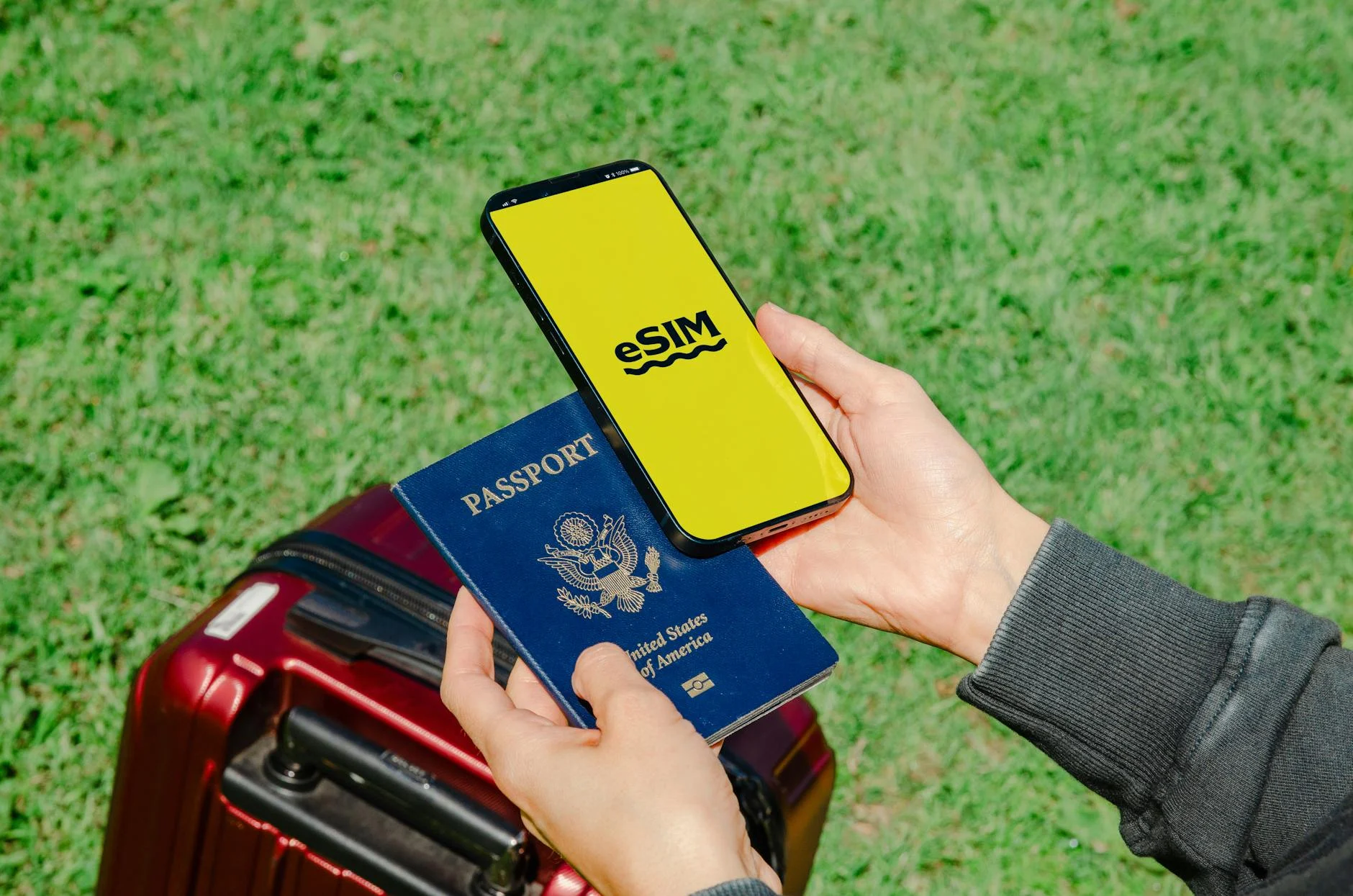
If you’re jetting off internationally, consider grabbing a local SIM card or an e-SIM before your trip, or double-check that your phone plan includes international roaming. This ensures you can make those crucial calls or access data even if the airport Wi-Fi decides to play hide-and-seek. Being able to communicate effectively significantly eases stress for both you and those eagerly awaiting your arrival.
Exploring Your Options and Alternatives

Rebooking Your Flight
When staring down a significant delay, rebooking is often the bread and butter solution. The airline will typically offer to put you on their next available flight to your destination. However, this could mean a long haul wait. Don’t be afraid to ask about flights on partner airlines or even entirely different carriers if the delay is substantial and the airline is clearly at fault. Sometimes, they might even endorse your ticket to another carrier.
Before you jump at a rebooked flight, scrutinize the new itinerary: Does it still align with your overall travel plans? Will you land too late for your event or connection? If the alternatives offered just won’t cut it, politely explain your predicament and ask for other possibilities, such as a refund if the delay essentially renders your travel plans moot.
Considering Alternative Transportation
Depending on the distance and the severity of the delay, alternative transportation might just be your golden ticket. If your destination is relatively close (say, a few hours’ drive), ponder renting a car, hopping on a train, or even taking a bus. Weigh the cost against the value of your time and the importance of arriving at your destination promptly. This is especially pertinent if you’re attending a time-sensitive event.
Before you commit to alternative transportation, confirm with the airline whether they’ll foot the bill or if doing so will nullify any potential compensation or refund for your original flight. In most scenarios, if you opt to make your own arrangements, it will be at your own expense, but for peace of mind and a timely arrival, it might just be worth every penny.
Accommodation and Meals
For delays that stretch on, especially those that spill over into an overnight stay, airlines are often on the hook to provide accommodation and meals. This holds particularly true under EU regulations for delays exceeding a certain number of hours. Inquire at the airline desk about meal vouchers and hotel accommodation. They typically have arrangements with nearby hotels and provide convenient shuttle services.
If the airline isn’t proactive in offering these perks, don’t shy away from asking. Keep every last receipt for any meals or accommodation you have to pay for out-of-pocket, as you might be able to claim reimbursement later, especially if your rights mandate such provisions. Understanding these entitlements is key to knowing what to do if your flight is delayed first time and for an extended period.
Understanding Compensation and Refunds

Read Also : Backpack Southeast Asia on a Budget: Ultimate Guide
When You Are Entitled to Compensation
Your entitlement to compensation for a flight delay hinges heavily on your location and the root cause of the delay. As previously mentioned, EU Regulation EC 261/2004 rolls out significant protections for flights within, into, or out of the EU. If your flight is delayed by three hours or more upon arrival and the delay is due to reasons within the airline’s control (e.g., technical issues, operational problems, crew shortages), you could be entitled to financial compensation ranging from €250 to €600, depending on the flight distance.
In other corners of the globe, such as the United States, direct financial compensation for delays isn’t legally mandated, though airlines often extend vouchers or miles as a gesture of goodwill. It’s vital to distinguish between compensation (a payment for inconvenience) and a refund (getting your money back for your ticket if you don’t fly). Always double-check the specific regulations that apply to your journey.
How to File a Claim
If you genuinely believe you’re entitled to compensation, the process usually involves submitting a claim directly to the airline. Most airlines dedicate a section on their website to “Customer Relations” or “Compensation Claims.” You’ll typically need your flight specifics, booking reference, and a clear, concise explanation of the delay and its impact. Be ready to furnish supporting documentation, such as boarding passes or delay notifications.
Should the airline brush off your claim or if you don’t receive a satisfactory response, you can take the matter up a notch. For EU flights, you can reach out to the national enforcement body in the country where the incident occurred or where the airline is registered. There are also specialized third-party services that focus solely on claiming flight compensation, though they usually take a percentage of any successful claim.
Documenting Your Experience
Documentation is absolutely paramount for any compensation claim. The moment you catch wind of the delay, start gathering evidence. Snap screenshots of the delayed flight status on airline apps, airport screens, and third-party trackers. Hold onto all boarding passes, ticket confirmations, and any communication you receive from the airline (emails, SMS). Jot down the exact times of the delay announcement and the eventual departure.
If you end up shelling out for meals, refreshments, or accommodation that the airline should have provided, keep every single receipt. Also, make a mental or written note of who you spoke to at the airline desk, their name (if you can get it), and what they told you. A detailed log of events will significantly bolster your claim and is a vital component of what to do if your flight is delayed first time.
Dealing with Missed Connections

Airline’s Responsibility
A common headache when a flight is delayed is the looming threat of missing a connecting flight. If both flights are part and parcel of the same booking (meaning they were booked together under one itinerary), the airline is generally on the hook for getting you to your final destination. This implies they should rebook you on the next available flight, potentially even with a different airline, and cover any necessary overnight accommodation and meals if the delay drags on.
However, if you booked your connecting flights separately (for example, two individual tickets), the first airline has no obligation whatsoever for your second flight. In this scenario, you’d effectively be treated as a no-show for your second flight, and you might simply lose your ticket. This underscores the critical importance of booking connecting flights on a single itinerary whenever humanly possible.
Proactive Planning for Connections
To minimize the risk of missing a connection due to a delay, always pad your layover time generously, especially at sprawling, bustling airports or during peak travel seasons. A minimum of two to three hours is often recommended for international connections, and even 90 minutes for domestic flights can be cutting it fine if there are delays or long treks between gates.
Read Also : The Ultimate Guide to Long Term Travel Planning
Before your journey, familiarize yourself with the airport layout at your connection point. Know precisely which terminals your flights arrive at and depart from, and research your options for getting between them. Having a backup plan or knowing the next available flights can be a real time-saver and stress-reducer if a delay throws a spanner in the works.
Seeking Assistance
If you realize you’re going to miss your connection because of a delay from the first leg, immediately alert the gate agent or airline staff of your first flight. They might be able to proactively rebook you before you even touch down. Upon arrival at your connection airport, head straight for the transfer desk or the customer service desk of the airline operating your connecting flight.
Be polite but firm in explaining your situation. Have your original booking details and any information about the delay from your first flight ready to hand. They are usually well-equipped to assist passengers with missed connections and can expertly guide you through the process of rebooking or finding alternative solutions.
Managing Your Emotions and Stress
Staying Positive
A flight delay is undeniably frustrating, but dwelling on the negative will only make the experience feel even worse. Try your best to maintain a positive attitude. Remind yourself that delays are just par for the course in air travel and are often implemented for safety reasons. Use the unexpected free time to your advantage. Catch up on emails, delve into a good book, tune into some music, or simply kick back and people-watch.
Focus on what you can control—your reaction and your actions—rather than what you can’t. A calm and positive mindset will empower you to make better decisions and cope more effectively with the inconvenience. Remember that eventually, you will reach your destination; it’s just a matter of time.
Finding Distractions
Airports, especially major hubs, offer a cornucopia of distractions. Explore the shops, grab a coffee or a bite to eat, or seek out a tranquil lounge if you have access. Many airports boast intriguing art installations, observation decks, or even spas. If you’ve packed cleverly, you might have a book, tablet, or laptop tucked away to keep you thoroughly entertained.
Consider using the time to fine-tune the next leg of your journey, nail down details for your destination, or reconnect with loved ones. Transforming a frustrating wait into an opportunity for productivity or relaxation can dramatically improve your overall experience during a delay.
Self-Care During Delays
Long delays can be both physically and mentally draining. Prioritize self-care above all else. Stay well-hydrated by guzzling plenty of water, and strive to make healthy food choices rather than relying on sugary snacks. Get up and stretch your legs periodically, especially if you’ve been glued to your seat for ages.
If the delay stretches overnight and you’re offered accommodation, make sure to catch some quality shut-eye. If you’re stuck in the airport, try to scout out a comfortable spot to unwind. Remember that looking after your physical well-being will help you stay alert and make sound decisions throughout the entirety of the delay.
Long-Term Strategies for Future Travel
Travel Insurance Considerations
For future adventures, particularly if you’re worried about potential delays, it’s wise to consider purchasing travel insurance. Many policies offer robust coverage for flight delays, trip cancellations, and even missed connections. This can be a financial lifeline, providing reimbursement for unexpected expenses like extra accommodation, meals, or even the cost of rebooking onto another flight if your original airline doesn’t cover it.
Read Also : Advantages of World Travel: Explore, Grow, Transform
Make sure to pore over the policy details to truly grasp what’s covered, the minimum delay duration required for a claim, and any exclusions. While it’s an added expense, travel insurance can offer substantial peace of mind and financial protection, especially for intricate itineraries or high-stakes trips.
Booking Direct vs. Third-Party
When booking flights, you often face a choice: book directly with the airline or go through an online travel agency (OTA) like Expedia or Booking.com. While OTAs can sometimes offer slightly lower prices or tempting package deals, booking directly with the airline often provides more wiggle room and simpler communication when things go awry, such as a flight delay.
If you’ve booked through an OTA and a delay crops up, the airline might just send you back to the OTA to make changes, which can add an extra layer of complexity and drag out the resolution of your issue. For important or complex journeys, booking direct can streamline the process of figuring out what to do if your flight is delayed first time or any subsequent time.
Packing Essentials for Delays
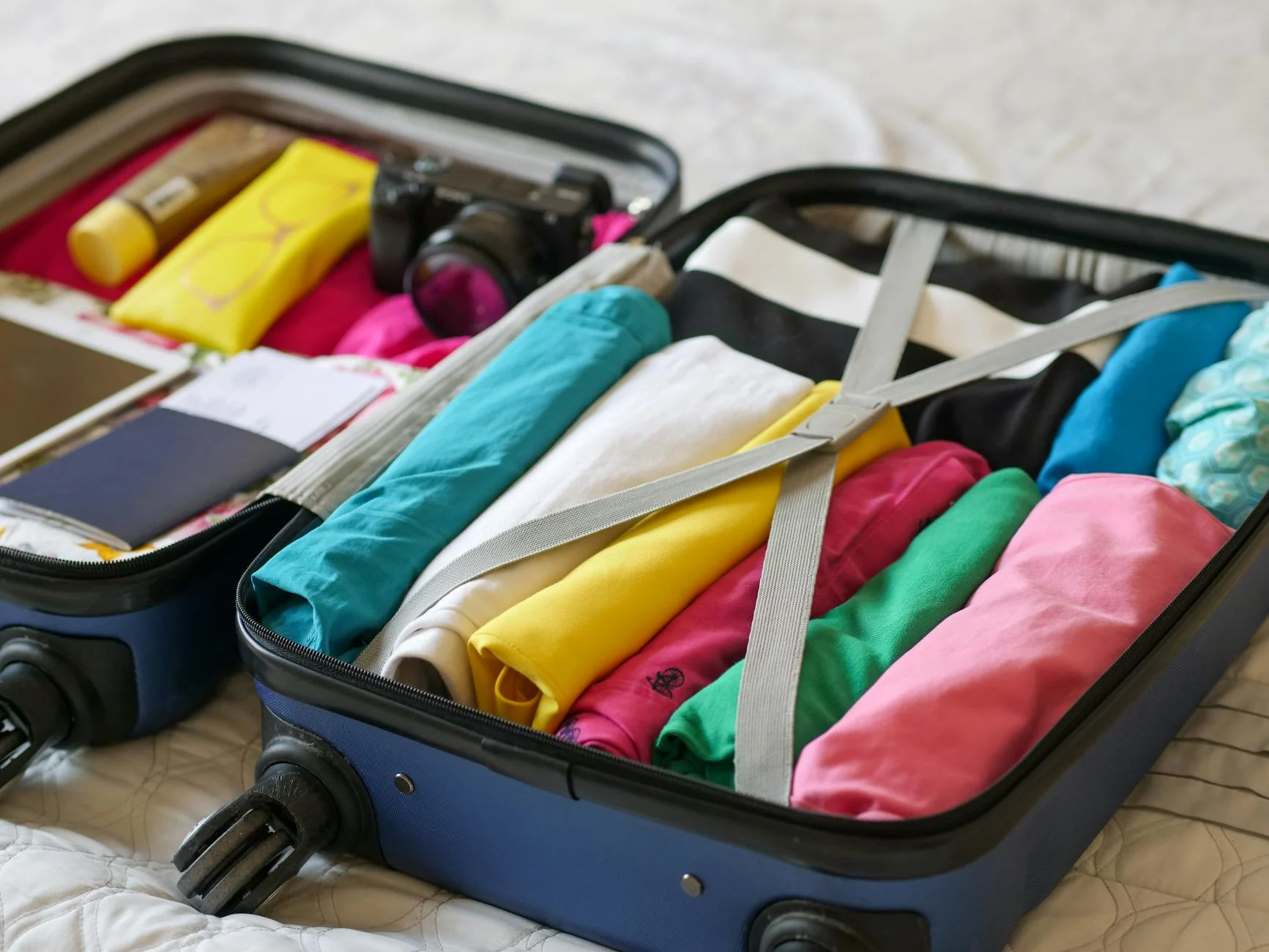
Being prepared can truly make all the difference during a delay. Always stash a “delay survival kit” in your carry-on bag. This should be brimming with essentials like a portable power bank for your gadgets, a universal adapter if you’re venturing internationally, a captivating book or downloaded movies/podcasts, a comfy neck pillow, a light blanket or scarf, and any necessary medications.
Additionally, pack a fresh change of clothes, basic toiletries (think toothbrush, a small deodorant), and some non-perishable snacks. Having these items readily accessible means you won’t be entirely at the mercy of airport amenities and can maintain a decent level of comfort and self-sufficiency, even during unexpected overnight stays.
Conclusion
Experiencing a flight delay for the first time can certainly be a daunting experience, transforming anticipated travel excitement into immediate stress. However, by adopting a proactive and informed approach, you can navigate these disruptions with significantly less worry and far more efficiency. The key is to truly understand your situation, know your rights inside and out, and expertly leverage all available resources.
Remember to keep your cool, harness technology for real-time updates, and communicate clearly and respectfully with airline staff. By meticulously documenting your experience, understanding potential compensation, and preparing for future travel with smart strategies like travel insurance and a well-stocked carry-on, you can transform a potential travel nightmare into a manageable inconvenience. You now have a systematic guide on what to do if your flight is delayed first time, ensuring your journey remains as smooth as possible, even when unexpected bumps occur.
FAQ
The duration for compensation eligibility is quite varied depending on the region. Under EU Regulation EC 261/2004, you might be entitled to compensation if your flight is delayed by three hours or more upon arrival, and the delay is due to reasons within the airline's control. In the United States, there's no federal mandate for airlines to compensate passengers for delays, regardless of their length, though some airlines may extend goodwill gestures like meal vouchers for significant hold-ups.
Yes, in many cases, if your flight is significantly delayed and you opt not to travel, you are entitled to a full refund for the unused portion of your ticket. The definition of a "significant" delay can fluctuate by airline and regulation, but it often refers to delays of five hours or more. If you accept a refund, you typically waive any right to compensation or rebooking on that specific ticket.
For potential delays, your carry-on should essentially be your "survival kit." Essentials include a portable power bank, a universal adapter, any necessary medications, a change of clothes, basic toiletries (toothbrush, deodorant), a neck pillow, a captivating book or downloaded entertainment, and some non-perishable snacks. These items will help you stay comfortable and self-sufficient, come what may.
Travel insurance can be a real game-changer for flight delays, particularly for complex itineraries, expensive trips, or travel to regions with less robust passenger protections. Many policies cover expenses incurred due to delays, such as unexpected accommodation, meals, or even the costs of rebooking. Always take the time to review the policy details carefully to understand coverage limits, deductibles, and the specific conditions for filing a claim.


Popular Posts


Embracing Spiritual Growth Through Travel and Exploration
Travel is more than just seeing new places; it's a profound journey into oneself. This article explores how embracing travel and exploration can significantly contribute to your spiritual growth, offering unique perspectives and transformative experiences.


