Digital Nomad Travel Planning for Beginners | Your Guide
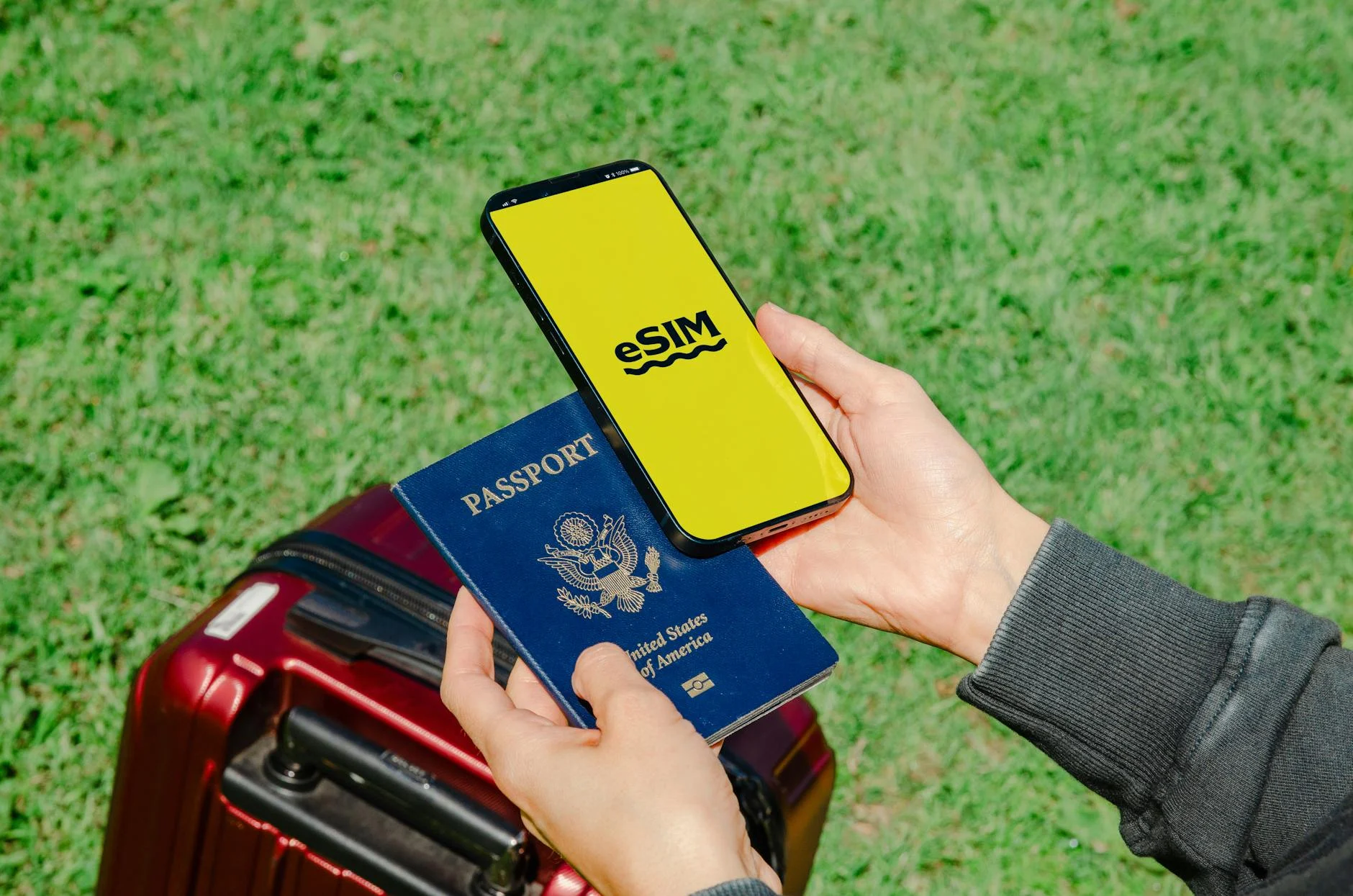
For many, the allure of being a digital nomad – that ultimate freedom to work from anywhere on the planet – is a powerful dream. But let’s be real: transforming this dream into a sustainable reality isn’t always a walk in the park. Especially for newcomers, the sheer deluge of information can feel like trying to drink from a firehose, making digital nomad travel planning for beginners seem downright overwhelming.
That’s where this comprehensive guide comes in. We’re here to cut through the noise and demystify the entire process, offering you clear, actionable steps to chart your course for that first big adventure. We’ll leave no stone unturned, covering everything from getting your finances in order and navigating tricky visa requirements, right through to packing like a pro and staying productive while you’re globetrotting. So, buckle up! It’s time to turn that wanderlust and ambition into a meticulously executed plan for a life filled with remote work and global exploration.
Getting Started: Understanding the Digital Nomad Lifestyle
Before you even think about packing your bags, it’s absolutely crucial to grasp what the digital nomad lifestyle truly entails. It’s far more than just tapping away on your laptop from a pristine beach; it’s a deep commitment to flexibility, continuous learning, and mastering the art of adapting to new environments.
Defining Digital Nomadism: What It Is and Isn’t
At its core, a digital nomad is someone who harnesses telecommunications technology to do their job, all while embracing a nomadic way of life. This means your income comes from online sources, freeing you up to travel continuously or settle in various locations for extended periods. Make no mistake, though: it’s not a perpetual vacation, nor is it some magic bullet to get rich quick. This path demands serious discipline, self-motivation, and a knack for managing your work from afar.
While the freedom it offers is immense, it also comes with its fair share of responsibilities. You’ll often find yourself wearing multiple hats – your own manager, accountant, and even the go-to IT support. Grasping this fundamental distinction is the very first step toward truly successful digital nomad travel planning for beginners.
Assessing Your Readiness: Skills, Finances, Mindset
Are you truly ready to take the plunge into digital nomadism? Take an honest look at your current skill set; can those abilities be effectively translated into remote work? Do you already have a stable remote job or a rock-solid freelance income stream? On the financial front, scrutinize your savings and potential monthly earnings. And let’s be clear: an emergency fund isn’t just a good idea; it’s an absolute non-negotiable.
Equally vital is your mindset. Can you genuinely roll with the punches and embrace uncertainty? Are you comfortable adapting to new cultures and tackling challenges head-on, independently? Self-awareness is key before you dive headfirst into this nomadic adventure.

Setting Your Travel Goals: Short-term vs. Long-term, Destinations
What do you truly hope to gain from your nomadic journey? Are you eyeing a short-term experience for a few months, or are you looking to embrace a complete lifestyle overhaul for the long haul? Your aspirations will be the driving force behind your planning. Spend some time researching potential destinations that genuinely resonate with your interests, fit your budget, and align with your work requirements. Don’t forget to weigh factors like time zones relative to your clients, the reliability of internet infrastructure, and, of course, the cost of living.
For instance, if you’re just starting out, kicking off your journey in a well-established digital nomad hub might be a smoother ride than venturing into a completely new, less-connected region right off the bat.
Financial Planning: Budgeting for Your Nomadic Journey

Read Also : The Ultimate Guide to the Digital Nomad Lifestyle

Money matters are paramount for any traveler, but they’re especially critical for digital nomads who rely on a steady income while constantly on the move. A solid financial plan isn’t just helpful; it’s the very backbone of successful digital nomad travel planning for beginners.
Calculating Initial Costs: Flights, Gear, First Month’s Rent
Your initial outlay will likely include several big-ticket items: flights to your first destination, essential tech gear (think a reliable laptop, maybe an external monitor, and those indispensable noise-cancelling headphones), comprehensive travel insurance, and at least your first month’s accommodation. And don’t overlook those pesky visa application fees, if they apply. It’s always a smart move to budget for a healthy buffer, because, let’s face it, unexpected costs often crop up when you least expect them.
- Flights: Keep an eye out for flexible tickets or budget-friendly airlines.
- Gear: Invest wisely in lightweight, robust tech that won’t let you down.
- Accommodation: Secure at least your first week or month’s stay well in advance.
- Visas: Factor in both the processing times and the associated fees.
Estimating Monthly Expenses: Accommodation, Food, Transport, Leisure
Once you’ve settled into your new locale, your recurring monthly expenses will encompass things like rent, groceries, dining out, local transportation, staying connected (hello, SIM card!), and, naturally, leisure activities. Do your homework and research the average cost of living in your chosen destination using trusted sites like Numbeo or Nomad List. Just remember that prices can vary wildly, even within the same city.

Being realistic about your spending habits is absolutely crucial here. Don’t fall into the trap of underestimating daily costs; they have a sneaky way of adding up quicker than you think.
Building an Emergency Fund: Why It’s Crucial
Consider your emergency fund your financial safety net – your parachute for when things go south. Aim to squirrel away at least 3-6 months’ worth of living expenses. This fund will be your savior in unforeseen circumstances, whether it’s a sudden job loss, a medical emergency, or the need to jet back home unexpectedly. Without it, even a small setback can throw a monkey wrench into your entire nomadic journey.
Think of it not just as money, but as invaluable peace of mind, allowing you to navigate challenges without the added burden of financial stress.

Managing Your Money Abroad: Banking, Wise Transfers
You’ll need a foolproof way to access and manage your money no matter where you are in the world. Consider opening a bank account that charges no foreign transaction fees or exploring online banks specifically designed with travelers in mind. Services like Wise (formerly TransferWise) offer fantastic exchange rates for international money transfers, helping you keep more cash in your pocket when paying for accommodation or sending funds back home.
Always keep multiple payment methods on hand – a debit card, a credit card, and some local cash – just in case one option hits a snag.
Visa and Legalities: Navigating International Regulations

One of the trickiest aspects of digital nomad travel planning for beginners is getting a handle on visa requirements and the legal implications. Brushing these aside can land you in a world of trouble.
Read Also : Your Ultimate World Travel Guide: Plan Epic Adventures
Researching Visa Requirements: Schengen, Specific Country Visas
Before you even dream of booking flights, dive deep into researching the visa requirements for your passport and every single country you plan to visit. Many nations offer visa-free entry for tourists for a limited stint (for example, 90 days within 180 days in the Schengen Area). But it’s vital to understand that a tourist visa typically doesn’t give you the green light to work, even if that work is purely remote.
Always, always check official government websites for the most current information, as requirements can change on a dime.
Understanding Digital Nomad Visas: Emerging Options
The good news is that a growing number of countries are rolling out specific digital nomad visas. These allow remote workers to legally reside and work within their borders for an extended period. Think nations like Portugal, Croatia, and Estonia, to name a few. While these visas often come with income requirements and application fees, they offer invaluable legal clarity and a huge dose of peace of mind.
If you’re planning to put down temporary roots in one country for more than just a few months, a digital nomad visa could be an excellent avenue to explore.
Tax Implications: Home Country vs. Host Country
Taxation for digital nomads can feel like a labyrinth. You’ll need to get your head around your tax obligations in your home country, as well as any potential tax liabilities in the countries where you’re setting up shop. Factors like tax residency, existing double taxation treaties, and the length of your stay all play a significant role.
It’s highly, highly recommended to pick the brain of a tax professional who specializes in international taxation. This will ensure you stay compliant and steer clear of any future headaches.
Health and Insurance: Staying Safe and Covered Abroad

Your health is your most precious commodity, especially when you’re globetrotting. Comprehensive health and travel insurance aren’t just good ideas; they’re non-negotiable elements in digital nomad travel planning for beginners.
Travel Health Insurance: What to Look For
Standard travel insurance might not quite cut the mustard for digital nomads, as it often comes with limitations on duration or only covers bare-bones emergencies. Instead, seek out specialized digital nomad insurance plans (like SafetyWing or World Nomads). These typically offer long-term coverage, cater to a wider range of activities, and provide robust medical and emergency evacuation benefits.
Read the fine print carefully to truly understand what’s covered, what your deductibles are, and any potential exclusions.
Read Also : Essential Travel Apps for International Travelers
Routine Vaccinations and Medications: Pre-departure Checks
Before you even think about jetting off, schedule a visit with your doctor to chat about any necessary vaccinations for your chosen destinations. Make sure all your routine immunizations are up to date. If you’re on prescription medications, ensure you have an ample supply, a doctor’s note to back it up, and double-check if they’re legally permitted in the countries you’ll be visiting.
Tossing a basic first-aid kit into your bag – complete with pain relievers, band-aids, and antiseptic wipes – is always a smart move.
Finding Healthcare While Traveling: Local Clinics, Emergencies
Take the time to familiarize yourself with the local emergency numbers and how to access medical care in your destination. Do a little research beforehand to pinpoint reputable clinics or hospitals. For non-emergency situations, many countries offer affordable walk-in clinics or pharmacies where you can get basic advice and over-the-counter remedies.
Remember, your insurance provider should also have a 24/7 hotline to help you locate medical facilities when you’re in a pinch.
Choosing Your Destination: Researching Nomad-Friendly Locations

The world truly is your oyster, but let’s be honest, not all oysters are equally easy to shuck. Strategic destination selection is a cornerstone of effective digital nomad travel planning for beginners.
Factors to Consider: Cost of Living, Internet Speed, Safety
When you’re weighing up your next stop, several key factors should be front and center. The cost of living will directly impact how far your budget stretches. Reliable internet speed isn’t just a perk; it’s absolutely non-negotiable for remote work. And for your peace of mind, safety and political stability are paramount. Other considerations include the climate, local culture, potential language barriers, and access to a vibrant community.
Prioritize what truly matters most to your work and your desired lifestyle.
Popular Nomad Hubs: Bali, Lisbon, Medellín, etc.
Many cities have become veritable magnets for digital nomads, thanks to their robust infrastructure, thriving communities, and affordability. Places like Canggu (Bali), Lisbon (Portugal), Medellín (Colombia), and Chiang Mai (Thailand) boast vibrant nomad scenes, a plethora of co-working spaces, and generally welcoming environments. These hubs can serve as excellent jumping-off points for beginners.
They often provide a softer landing and make it easier to integrate into the nomadic lifestyle.
Read Also : Top Remote Work Travel Destinations for Digital Nomads
Utilizing Online Resources: Nomad List, Facebook Groups
Don’t hesitate to leverage the wealth of online resources available to research and compare destinations. Websites like Nomad List offer invaluable data on cost of living, internet speed, safety ratings, and the size of the nomad community for cities across the globe. Joining digital nomad Facebook groups specific to certain cities can also offer priceless local insights and recommendations from fellow travelers who are already on the ground.
Never underestimate the power of firsthand advice from those who’ve been there, done that.
Packing Smart: Essential Gear for Digital Nomads

Packing efficiently is nothing short of an art form for digital nomads. Every single item needs to earn its keep, justifying its space and weight. This section is absolutely vital for successful digital nomad travel planning for beginners.
The Minimalist Mindset: Less Is More
Embrace minimalism with open arms. The less you lug around, the more mobile you’ll be, and the less stress you’ll shoulder. Every item you pack is something you’ll have to carry, find space for, and potentially lose. Focus ruthlessly on multi-purpose items and high-quality, durable goods that are built to last.
Before you toss something in, ask yourself point-blank: “Do I *truly* need this, or is there a lighter, more versatile alternative out there?”
Tech Essentials: Laptop, Chargers, Power Banks, Adapters
Your work hinges on your tech, so choose wisely. A reliable laptop is your primary weapon. Don’t forget all the necessary chargers, a portable power bank for those on-the-go top-ups, and a universal travel adapter. If your work truly benefits from a dual-screen setup, consider a portable monitor, but be sure to weigh its bulk against its utility.
Protect your precious electronics with sturdy cases and, seriously, consider insuring them.
Clothing and Personal Items: Versatility and Practicality
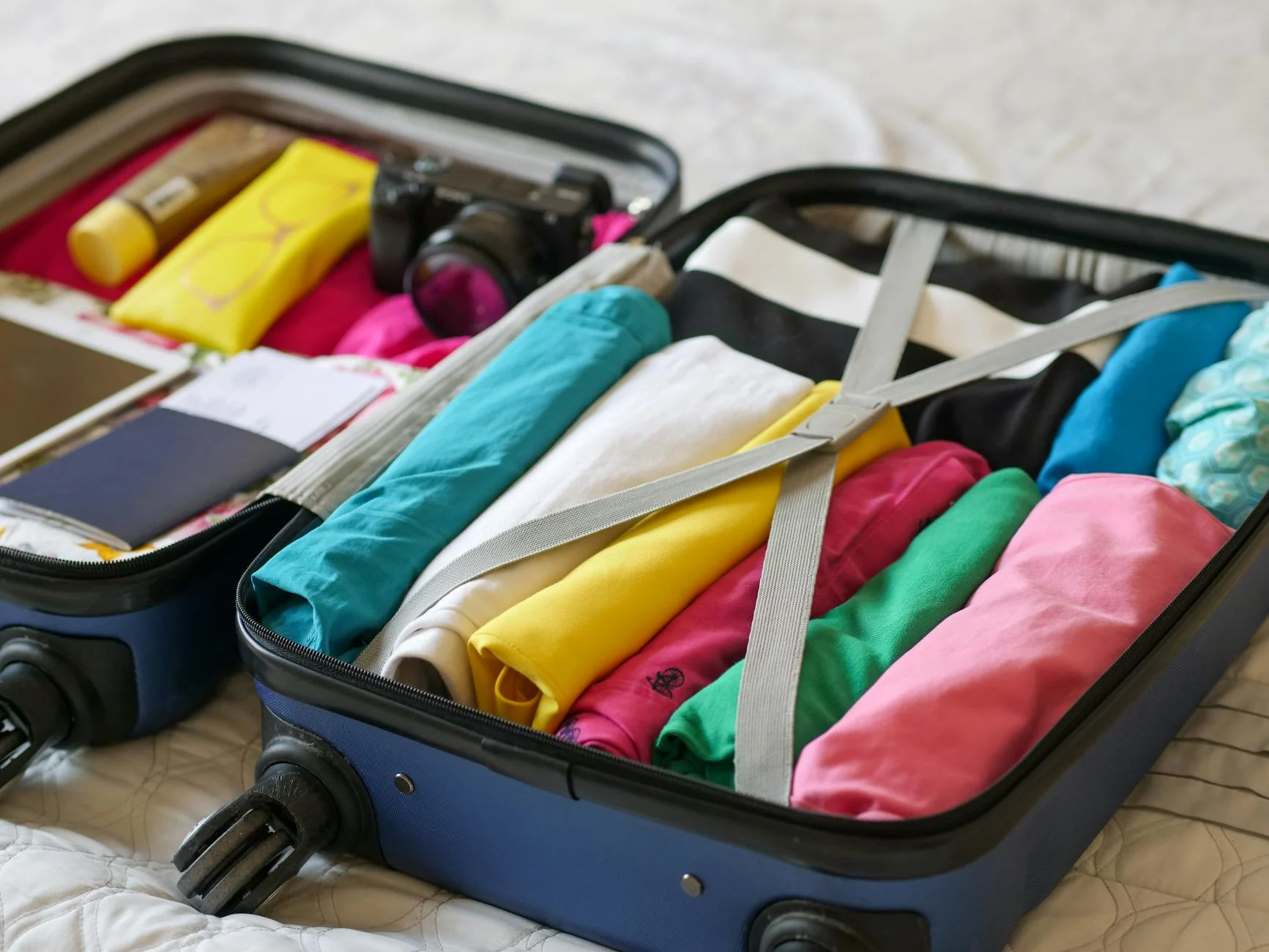
Pack versatile clothing that can be mixed, matched, and layered, suitable for various climates and occasions. Layers are your absolute best friend. Opt for quick-drying fabrics and items that resist wrinkles like a champ. For personal items, go for travel-sized toiletries or solid alternatives to save precious space and sidestep dreaded leaks.
A good rule of thumb is to pack enough for about a week, as you’ll almost certainly have access to laundry facilities along the way.
Read Also : Essential Travel Gear for New Travelers: Your Ultimate Guide
Security Essentials: Locks, Travel Wallet
Always put security at the top of your list. A small padlock for your backpack or hostel locker, a discreet travel wallet or money belt, and a secure way to carry your passport are non-negotiable. And for secure internet browsing on public Wi-Fi networks, seriously consider investing in a VPN (Virtual Private Network).
Being prepared for potential security risks is just part and parcel of smart travel.
Setting Up Your Workspace: Productivity on the Go
Maintaining productivity is absolutely paramount for a thriving digital nomad lifestyle. Effective digital nomad travel planning for beginners includes a solid consideration of your workspace needs.
Finding Reliable Internet: SIM Cards, Portable Hotspots
Internet access isn’t just important; it’s your very lifeline. Upon arrival in a new country, one of your first tasks should be to snag a local SIM card with a generous data plan. For backup, consider a portable Wi-Fi hotspot or a data-only eSIM service. Always, always have a Plan B for internet connectivity, especially if your work is time-sensitive.
Public Wi-Fi can be convenient, but it’s often unreliable and, let’s be honest, far less secure.
Ergonomics and Comfort: Portable Stands, Noise-Cancelling Headphones
Working from various locations can really take a toll on your body. Invest in a lightweight, portable laptop stand to elevate your screen and give your posture a much-needed boost. Noise-cancelling headphones are invaluable for maintaining laser focus in bustling co-working spaces, noisy cafes, or even lively apartments.
Prioritizing your physical comfort will go a long way in preventing burnout and nagging health issues in the long run.
Establishing a Routine: Balancing Work and Exploration
While flexibility is undoubtedly a hallmark of the nomadic life, a structured routine can dramatically boost your productivity. Designate specific work hours and, crucially, stick to them. This helps create a clear boundary between work and leisure, preventing work from bleeding into your precious exploration time. If you have clients in different parts of the world, schedule your work around those local time zones.
Discipline is your best friend when you’re trying to juggle work and the irresistible pull of travel.
Building a Support Network: Connecting with Fellow Nomads
Let’s not sugarcoat it: loneliness can be a very real challenge for digital nomads. Building a strong support network is absolutely crucial for your well-being and is often an aspect overlooked in digital nomad travel planning for beginners.
Read Also : The Ultimate Guide to Long Term Travel Planning
Online Communities: Facebook Groups, Forums
Even before you’ve touched down, start connecting with online digital nomad communities. Facebook groups tailored to specific cities or general nomad forums are fantastic places to pose questions, seek advice, and discover local meetups. These communities offer a much-needed sense of belonging and practical support.
They can be invaluable for recommendations on everything from finding accommodation to tracking down reliable local services.
Co-working Spaces: Meeting People in Person
Co-working spaces aren’t just havens for productivity; they’re bustling social hubs. Opting for a co-working membership, even if it’s just for a few days a week, can provide both a structured work environment and countless opportunities to rub shoulders with like-minded individuals. Many co-working spaces even organize social events, workshops, and networking opportunities.
This is often the easiest and quickest way to forge new friendships and build a local network.
Local Meetups and Events: Cultural Immersion
Beyond nomad-specific gatherings, make an effort to engage with the local culture. Attend local meetups, language exchange events, or workshops. Websites like Meetup.com are fantastic for unearthing local interest groups. This not only allows for deeper cultural immersion but also helps you connect with both locals and other expats, enriching your travel experience exponentially.
Embrace spontaneity and keep an open mind for new experiences; you never know what wonderful connections you might make.
Managing Expectations and Embracing Flexibility
The digital nomad life, while often glamorous on Instagram, isn’t always sunshine and rainbows. Realistic expectations and a healthy dose of adaptability are key to overcoming challenges and are crucial for digital nomad travel planning for beginners.
Dealing with Challenges: Loneliness, Burnout, Unforeseen Issues
You *will* face challenges: spotty internet, visa complications, bouts of loneliness, homesickness, or even burnout. It’s essential to acknowledge these possibilities upfront and develop healthy coping mechanisms. Stay connected with friends and family back home, make self-care a priority, and never be afraid to hit the pause button or seek support when you need it.
Remember, every challenge is a learning opportunity that ultimately strengthens your resilience and makes you a savvier traveler.
The Importance of Adaptability: Plans Change
Get ready for plans to shift, sometimes dramatically. Flights get delayed, accommodations can fall through, and political situations can change on a dime. The ability to adapt quickly, pivot when necessary, and find alternative solutions is a core skill for any successful digital nomad. Don’t cling too rigidly to your meticulously crafted itineraries.
Read Also : The Hidden Downsides of Long Term Travel
Embrace the unexpected; sometimes the very best adventures spring from unplanned detours.
Enjoying the Journey: Savoring the Freedom
Amidst all the planning, the problem-solving, and the occasional curveball, remember to truly relish the incredible freedom and unique experiences that the digital nomad lifestyle offers. Take time to explore, lose yourself in new cultures, and savor every single moment. This journey is as much about profound personal growth as it is about work and travel.
Strive for a healthy balance between your professional endeavors and genuine exploration and self-discovery.
Conclusion
Embarking on the digital nomad lifestyle is an exhilarating adventure, promising unparalleled freedom and significant personal growth. While this path might seem incredibly complex, especially for those just dipping their toes in, diligent digital nomad travel planning for beginners can transform seemingly daunting challenges into perfectly manageable steps. By systematically tackling finances, legalities, health, and logistical hurdles, you’ll lay a rock-solid foundation for a sustainable and truly rewarding journey.
Always remember that flexibility and adaptability are your greatest assets. The world of remote work and travel is inherently dynamic, and encountering unforeseen circumstances is simply part of the experience. Embrace the learning curve, actively connect with fellow nomads, and always, always prioritize your well-being. With careful preparation and an open mind, you are more than well-equipped to navigate the globe while thriving in your remote career.
Your dream of working and traveling is absolutely within reach. Take these systematic steps, plan wisely, and get ready to unlock a life brimming with adventure and independence. The world is truly waiting for you!
FAQ
While this figure can vary wildly depending on your chosen destination and desired lifestyle, a solid rule of thumb for beginners is to have an emergency fund covering 3-6 months of living expenses. On top of that, budget for initial setup costs like flights, essential gear, and your first month's accommodation. For a moderate lifestyle, this could easily range from $5,000 to $15,000 or even more, heavily influenced by your chosen country's cost of living.
Popular options abound! Airbnb is fantastic for short to medium-term stays, while Booking.com is your go-to for hotels and hostels. For longer-term furnished rentals, specialized platforms like Flatio or HousingAnywhere come in handy. Don't underestimate the power of Facebook groups for digital nomads in specific cities; they're often goldmines for finding room rentals or apartment swaps.
It really boils down to your nationality and the countries you have on your radar. Many digital nomads initially travel on standard tourist visas, but it’s worth noting that this can be legally ambiguous, as tourist visas generally don't permit working, even remotely. The good news is that an increasing number of countries are now offering specific "digital nomad visas," which provide legitimate residency and work rights for remote professionals. Always, always research the specific country requirements for your situation.
Taxation for digital nomads is notoriously complex. It hinges on your home country's tax laws, your tax residency status, and the cumulative duration of your stays in various other countries. It’s absolutely crucial to get a firm grasp on concepts like tax residency and how double taxation treaties might affect you. Consulting with an international tax specialist is highly, highly recommended to ensure you remain compliant and avoid any future penalties.
New digital nomads often grapple with loneliness and homesickness, the struggle to maintain a healthy work-life balance, dealing with frustratingly unreliable internet, navigating unfamiliar cultural differences, and managing finances across multiple currencies. Burnout can also creep in if you don't prioritize self-care and a consistent routine. Ultimately, adaptability and cultivating a strong support network are your secret weapons for conquering these common hurdles.


Popular Posts


Embracing Spiritual Growth Through Travel and Exploration
Travel is more than just seeing new places; it's a profound journey into oneself. This article explores how embracing travel and exploration can significantly contribute to your spiritual growth, offering unique perspectives and transformative experiences.


