Beginner Travel Hacking Guide: Fly Free & Save Big

Imagine jetting off to exotic locales, sinking into a plush business class seat, or unwinding in a luxurious hotel – all without breaking the bank. Sounds like a pipe dream, doesn’t it? Well, pinch yourself, because you’re about to step into the thrilling world of travel hacking! This isn’t about shady backdoor deals or pulling a fast one; it’s about getting savvy with loyalty programs, credit card rewards, and smart spending to transform your everyday purchases into unforgettable travel escapades.
For many, the notion of free travel might seem too good to be true, especially when you’re just dipping your toes in. But with a clear head and a systematic game plan, anyone can become a seasoned travel hacker. This beginner travel hacking guide is crafted to pull back the curtain on the whole process, offering you solid examples and concrete steps to kickstart your journey towards more affordable adventures.
Whether you’re yearning for a complimentary flight home for the holidays, dreaming of a lavish international getaway, or simply aiming to trim your hotel bills, this guide will arm you with the fundamental know-how and practical strategies needed to embark on your travel hacking adventure both responsibly and effectively.
Understanding Travel Hacking Fundamentals
What is Travel Hacking?
At its heart, travel hacking is both an art and a science: it’s about strategically accumulating travel rewards points and miles. The primary ways to do this are through generous credit card sign-up bonuses and by being smart with your everyday spending. The ultimate goal? To redeem those points for free or heavily discounted flights, hotel stays, and other travel essentials. Think of it as mastering the loyalty game to your distinct advantage.
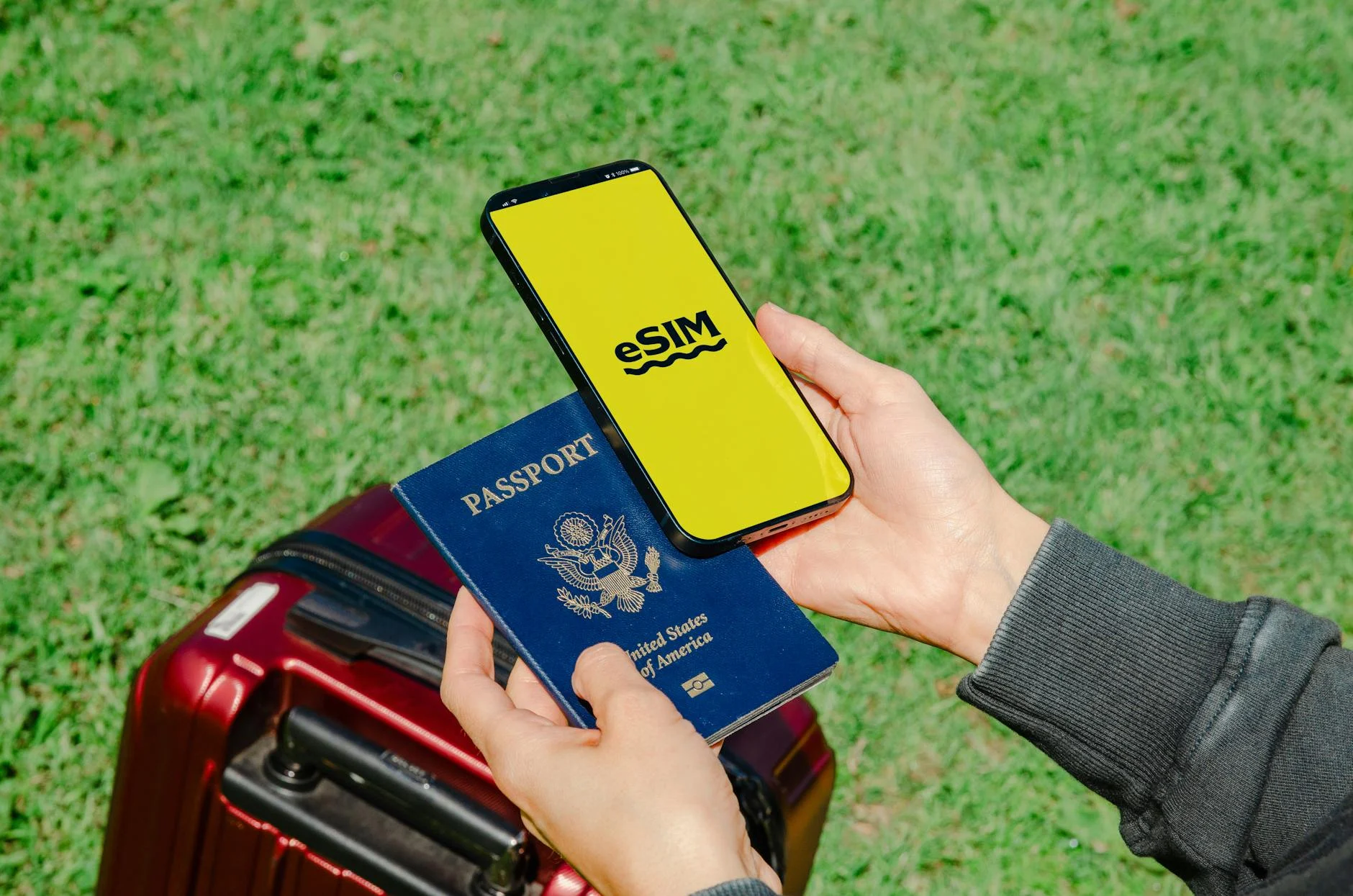
The core philosophy revolves around leveraging financial products and loyalty programs that literally pay you back for your spending. Instead of forking over cash for every single trip, you’re tapping into a treasure chest of points and miles earned through good financial habits. This beginner travel hacking guide will zero in on the most accessible and impactful strategies, making it a breeze for newcomers to get started.
Is Travel Hacking Right for You?
Travel hacking truly shines for individuals who are financially disciplined and boast a stellar credit score. It’s a non-negotiable: you absolutely must pay off your credit card balances in full and on time, every single month. If you carry a balance, those pesky interest charges will quickly eat away at any rewards you earn, rendering the whole travel hacking endeavor completely counterproductive. It’s like taking one step forward and two steps back!
It’s also a perfect fit for those who are organized and willing to keep a keen eye on their spending and card applications. If you’re consistently on top of your bills and manage your finances with aplomb, travel hacking can genuinely throw open the doors to a world of incredibly affordable travel opportunities.

Common Myths Debunked
There are several misconceptions swirling around travel hacking that often put beginners off. Let’s clear the air and address a few:
- Myth: It’s all smoke and mirrors, or even illegal. Reality: Far from it! Travel hacking simply involves using legitimate financial products and loyalty programs exactly as they were designed. We’re just playing by the rules, but playing them well.
- Myth: You need to break the bank to earn points. Reality: While big spenders might rack up points faster, many points can be earned hand over fist through everyday expenses and those lucrative sign-up bonuses, all without overspending a dime.
- Myth: This will send your credit score spiraling down. Reality: Quite the opposite, actually! When done with a responsible head on your shoulders (paying on time, not opening too many cards too quickly), travel hacking can actually give your credit score a healthy boost by increasing your overall credit limit and showcasing responsible credit management.
Building Your Credit Score Foundation

Why Credit Score Matters
Your credit score acts as the gatekeeper to the crème de la crème of travel rewards credit cards. Banks lean on your credit score to gauge your creditworthiness – essentially, how reliable you are with money. A higher score signals lower risk, making you a prime candidate for cards flaunting generous sign-up bonuses and premium perks. Most top-tier travel cards typically require a good to excellent credit score, generally hovering around 670+ on the FICO scale.
Read Also : How to Save Money for World Travel: Your Ultimate Guide

Without a rock-solid credit foundation, you might find yourself stuck with entry-level cards that offer less attractive rewards. Therefore, the very first order of business in any effective beginner travel hacking guide is to ensure your credit is in tip-top shape.
Steps to Improve Your Credit Score
If your credit score needs a bit of a polish, fear not! Here are some fundamental steps to get it sparkling:
- Pay Bills On Time, Every Time: Your payment history is, without a doubt, the heaviest hitter when it comes to your credit score. Set up automatic payments to nip any missed due dates in the bud.
- Keep Your Credit Utilization in Check: Aim to use less than 30% (and ideally, under 10%) of your available credit. For instance, if you’ve got a $10,000 credit limit, try to keep your balance below $3,000.
- Cultivate a Long Credit History: The longer your accounts have been open and in good standing, the better it looks. Resist the urge to close old credit cards unless it’s absolutely necessary.
- Diversify Your Credit Mix: A healthy blend of credit types (think credit cards, student loans, a mortgage) can send positive ripples through your score.
Monitoring Your Credit
Keeping a regular eye on your credit report and score is absolutely crucial. You can snag a free credit report from each of the three major credit bureaus (Equifax, Experian, TransUnion) once a year at annualcreditreport.com. On top of that, many credit card companies and financial apps now generously offer free credit score monitoring services, so there’s really no excuse not to stay informed.

Regular monitoring helps you catch any pesky errors, spot potential fraud before it takes root, and track your progress as you work diligently to boost your score. Understanding the moving parts that influence your score truly empowers you to make sharp, informed decisions on your travel hacking journey.
Choosing Your First Travel Rewards Credit Card
Identifying Your Travel Goals
Before you even think about applying for a card, take a moment to reflect on how you truly want to travel. Are you dreaming of soaring internationally in business class, or is your focus squarely on domestic economy flights? Do you have a soft spot for specific airline alliances (like Star Alliance, SkyTeam, or Oneworld) or particular hotel chains (Marriott, Hilton)? Your aspirations will be the compass that points you towards the ideal card.

For example, if Southwest Airlines is your go-to carrier, a Southwest co-branded card might be just the ticket. However, if you crave flexibility across various airlines, a transferable points card (such as Chase Ultimate Rewards or Amex Membership Rewards) would likely be a better fit. This tailored approach is a cornerstone of any truly effective beginner travel hacking guide.
Understanding Sign-Up Bonuses
The sign-up bonus is, without a shadow of a doubt, the single most powerful arrow in your travel hacking quiver. This is a substantial lump sum of points or miles that lands in your account after you meet a specific spending requirement within a set timeframe (e.g., spend $3,000 in the first 3 months to bag 50,000 points). These bonuses can often be enough to snag a free round-trip flight or several nights at a swanky hotel.
Always make it a priority to target cards with attractive sign-up bonuses that neatly align with your travel goals. This initial surge is what truly jumpstarts your points balance and delivers the most bang for your buck.
Key Card Features to Look For
When you’re sifting through potential cards, keep these crucial features on your radar:
Read Also : Digital Nomad Travel Planning for Beginners | Your Guide
- Annual Fee: Is it a pill worth swallowing for the perks it offers? Many premium cards come with hefty fees but sweeten the deal with benefits like lounge access, statement credits, or free night certificates that more than offset the cost.
- Earning Rates: How many points will you bag per dollar spent in different spending categories (e.g., 2x on dining, 3x on travel)? This is where strategic spending really comes into play.
- Redemption Options: Can you transfer points to your favorite airlines/hotels, or are you limited to redeeming for cash back or through a proprietary travel portal? Transferable points often offer the most sky-high value.
- Travel Benefits: Keep an eye out for hidden gems like trip delay insurance, lost luggage insurance, no foreign transaction fees, or primary rental car insurance – these can be real lifesavers!
Mastering Minimum Spend Requirements

Strategies for Meeting Minimum Spend
Hitting that minimum spend requirement for a sign-up bonus is absolutely non-negotiable. Here are some savvy, responsible strategies to get you there:
- Everyday Expenses: Your regular grocery runs, utility bills, gas, internet, and phone payments are your bread and butter here. Just route all your usual monthly bills through your new card.
- Pre-Pay Bills: Got big expenses on the horizon like insurance premiums, tuition, or even property taxes? See if you can pay them early with your brand-new card.
- Large Purchases: If a new appliance or car repair is already on your radar, time your credit card application to coincide with that planned big spend.
- Gift Cards: Think of it as pre-spending money you’ll use anyway. Buy gift cards for stores you frequent (e.g., Amazon, Starbucks, your local grocery store) to meet the spend without actually buying new things.
The golden rule here is to spend money you would have spent regardless, not to rack up new debt. This is a fundamental, bedrock principle in any sustainable beginner travel hacking guide.
Avoiding Unnecessary Spending
The biggest pitfall in the travel hacking game is getting lured into spending more than you normally would, just to hit a bonus. Let me be crystal clear: Never buy things you don’t need or can’t comfortably afford, simply for the sake of points. The whole point of this endeavor is free travel, not accumulating a mountain of debt.
If you ever find yourself struggling to meet a minimum spend without overspending, take a step back and reconsider if that card is truly the right fit for you at that moment. Always prioritize your financial well-being over a stash of points. A sign-up bonus is only truly valuable if you can earn it without breaking a sweat, or your budget.
Tracking Your Progress
The moment a new card lands in your hand, immediately jot down these vital details:
- The exact minimum spend amount you need to hit.
- The deadline by which you need to meet it.
- Your current progress – how much you’ve spent towards the bonus so far.
A simple spreadsheet or a dedicated app can be your best friend for keeping tabs on this. Make it a habit to regularly check your credit card statement to ensure your spending is being correctly tallied and that you’re well on your way to meeting the requirement within the given timeframe.
Earning and Accumulating Points & Miles

Everyday Spending Strategies
Beyond that initial, glorious sign-up bonus, maximizing your everyday spending is the secret sauce for continuously accumulating points. Get to know your cards’ bonus categories like the back of your hand. For instance, if one card doles out 3x points on dining and another offers 2x points on groceries, make sure you’re using the appropriate card for each purchase. This clever tactic is affectionately known as “category spending.”
By strategically whipping out the right card for the right type of purchase, you ensure every single dollar you spend works overtime for your travel ambitions. This systematic, thoughtful approach is a cornerstone of this beginner travel hacking guide.
Read Also : Essential Travel Gear for New Travelers: Your Ultimate Guide
Leveraging Shopping Portals
Before you make any online purchase, big or small, take a quick detour! Check if your credit card issuer (e.g., Chase Ultimate Rewards, American Express Membership Rewards) or a general portal (like Rakuten or TopCashback) offers extra points or cashback for shopping at that particular retailer. All you have to do is click through their link, and your purchase will be tracked, bagging you bonus rewards on top of what your credit card already delivers.
This is a wonderfully passive way to rake in significant extra points without altering your spending habits one iota. Just a few minutes of checking before you click “buy” can yield hundreds, or even thousands, of extra points over time – truly a low-effort, high-reward strategy!
Referral Bonuses and Other Opportunities
Many credit card companies are keen to expand their customer base and offer sweet referral bonuses. If a friend or family member applies for a card using your unique referral link and gets approved, both of you could find yourselves swimming in bonus points. This can be a fantastic, effortless way to pad your points balance without any additional spending on your part.
Furthermore, keep your eyes peeled for targeted offers from your credit card company (e.g., “Spend $15 at Starbucks, get 500 bonus points”) or dining programs that reward you just for eating at participating restaurants. These little extras can really add up!
Redeeming Your Hard-Earned Rewards

Understanding Redemption Values
Here’s a crucial truth: not all points are created equal. The “value” of a point can swing wildly depending on how you choose to redeem it. As a general rule of thumb, redeeming points for cash back often gives you the lowest value (typically around 1 cent per point). Redeeming for travel, especially by transferring to airline or hotel partners, often yields the highest value, frequently hitting 2-5 cents per point, or even more for those coveted premium cabin flights.
Always make it a point to calculate the “cents per point” (CPP) value for your redemption: (Value of flight/hotel in cash / Number of points used) * 100 = CPP. Aim for redemptions that give you 1.5 CPP or higher, particularly when you’re using flexible, transferable points. This maximizing strategy is absolutely vital for anyone following a successful beginner travel hacking guide.
Booking Flights with Miles
Booking flights with miles typically involves transferring your points from your credit card program to an airline loyalty program. For instance, you might transfer Chase Ultimate Rewards to United Airlines MileagePlus, or Amex Membership Rewards to Delta SkyMiles. Once those points are safely nestled in the airline account, you then search for “award availability” directly on the airline’s website.
This part can sometimes be a bit of a treasure hunt, as award seats are often limited. Being flexible with your travel dates and destinations, if possible, can significantly increase your chances of snagging a great deal. Tools like ExpertFlyer or AwardHacker can also lend a helping hand in finding award space and comparing various redemption options.
Booking Hotels with Points
Much like flights, you can book hotel stays by transferring your points to hotel loyalty programs (think Chase to Hyatt, or Amex to Marriott). Many hotel programs even publish “award charts” that clearly show how many points are needed for a free night at different categories of hotels.
Read Also : Travel Hacking for Global Trips: Your Ultimate Guide
Keep an eagle eye out for “sweet spots” where you can squeeze disproportionately high value, often found at lower-category hotels or during off-peak seasons. Another fantastic perk: some credit cards also offer free night certificates after your card anniversary, which can be an incredibly valuable addition to your travel arsenal.
Advanced Travel Hacking Tips for Beginners
Diversifying Your Card Portfolio
As you gain more mileage in the travel hacking world, it’s wise to consider diversifying your credit card portfolio across different “ecosystems” like Chase Ultimate Rewards, American Express Membership Rewards, and Citi ThankYou Points. Each program brings its own unique set of transfer partners and benefits to the table.
Having cards from multiple issuers means you gain access to a much broader spectrum of airline and hotel partners, giving you far greater flexibility and a wider array of options when it comes time to redeem your hard-earned points. This is a natural and smart progression for anyone diligently following a beginner travel hacking guide.
The Companion Pass Strategy
Some airlines offer truly game-changing companion passes, allowing a designated companion to fly with you for just the cost of taxes and fees after you meet certain requirements. The most legendary example is the Southwest Companion Pass, which lets a companion fly almost free with you for up to two full years! Earning this pass typically involves accumulating a specific number of points within a calendar year, usually through a combination of credit card sign-up bonuses.
This strategy can effectively double the value of your earned points for domestic travel and is an incredibly powerful tool, especially for couples or families looking to explore more for less.
Staying Organized and Tracking
As your collection of cards and points grows, organization doesn’t just become helpful – it becomes paramount. Create a meticulously detailed spreadsheet to keep track of:
- Which cards are currently in your wallet.
- The exact date you opened each one.
- Annual fees and their respective due dates.
- Minimum spend requirements and their critical deadlines.
- Your current points balances for every single program.
- When points might expire (if applicable for that program).
This comprehensive tracking system will help you manage your accounts responsibly, prevent you from missing crucial deadlines, and ensure you’re always squeezing every last drop of value from your rewards.
Common Pitfalls to Avoid in Travel Hacking
Falling into Debt
Let’s address the elephant in the room: this is, without question, the most critical pitfall to steer clear of. Travel hacking is only a beneficial pursuit if you pay your credit card balances in full, every single month. If you carry a balance, those accumulating interest charges will quickly, and severely, outweigh any points or miles you manage to earn. Remember, the whole point of this exercise is to score free travel, not to pay for it handsomely through high-interest debt.
Always treat your credit cards exactly like a debit card – only spend what you genuinely have sitting in your bank account. If you find yourself unable to adhere to this golden rule, it’s a clear sign to step back from travel hacking until your financial habits are as solid as a rock.
Applying for Too Many Cards Too Soon
While sign-up bonuses are incredibly enticing, applying for a flurry of cards in a short period can actually put a dent in your credit score. This happens by increasing the number of hard inquiries on your report and potentially lowering the average age of your accounts. Be particularly mindful of issuer-specific rules, such as Chase’s infamous “5/24” rule (which generally means you won’t be approved for a Chase card if you’ve opened 5 or more personal credit cards across all banks in the last 24 months).
Read Also : What to Do If Your Flight is Delayed First Time: A Guide
Pace yourself; typically, applying for 2-3 cards per year is a sensible starting point for a beginner travel hacker. This allows you ample time to manage minimum spends and keep those credit inquiries in check, all in a responsible manner.
Letting Points Expire
It’s a sad truth: points and miles can, and sometimes do, expire, though policies vary significantly from program to program. Some programs have a “hard expiration” after a certain period of inactivity, while others are more forgiving, extending expiration with any account activity (whether it’s earning or redeeming). Always be in the know about the expiration policies for each of your different loyalty accounts.
Set yourself reminders or make a small redemption/earning activity if you see points nearing their expiration date. After all that hard work, the last thing you want is to let your well-earned rewards simply vanish into thin air!
Conclusion
Embarking on your travel hacking journey as a beginner might feel a tad overwhelming at first, but with the systematic steps and clear insights laid out in this guide, you are now exceptionally well-equipped to dive in. Always keep these core principles front and center: responsible credit card use, strategic spending, and smart redemption. By focusing on cultivating a robust credit foundation, picking the right cards that align with your travel dreams, and diligently meeting those minimum spend requirements, you’ll soon be watching your points and miles balances swell faster than you ever imagined possible.
This beginner travel hacking guide has meticulously charted the essential roadmap for you to unlock a universe of incredible travel experiences. From grasping the fundamentals to deftly sidestepping common pitfalls, you now possess the knowledge to transform your travel dreams into tangible reality. Start small, stay meticulously organized, and always, always prioritize your financial health above all else.
The world is waiting, and with travel hacking by your side, it’s more within reach than ever before. Happy travels!
FAQ
Not at all! While individuals with higher spending habits might accumulate points at a quicker clip, travel hacking isn't an exclusive club for high-income earners. Anyone with a solid credit history and responsible spending habits can absolutely reap the benefits. Many key strategies revolve around lucrative sign-up bonuses and optimizing everyday expenses, which are accessible across a wide spectrum of budgets.
The timeline for earning a free flight can vary, but with a strategic approach and a good sign-up bonus, many beginners find they can accumulate enough points for a domestic round-trip flight within 3-6 months of opening their first travel rewards credit card and diligently meeting its minimum spend requirement. It's often quicker than people realize!
When approached with a responsible mindset, travel hacking should not, in fact, hurt your credit score. Quite the contrary! By increasing your overall available credit limit and consistently demonstrating on-time payments, it can even contribute positively to your score. However, applying for too many cards too quickly or carrying a balance will most certainly cast a negative shadow on your credit.
Absolutely, you can still be a successful travel hacker even if you're not a frequent flyer. Points and miles can be patiently saved up for that one epic, big trip down the road, or strategically deployed for smaller, occasional getaways. The critical thing is to ensure your points don't expire and to select cards that align with your long-term travel aspirations, whenever they may come to fruition.
For the vast majority of beginners, a card that earns transferable points (such as the Chase Sapphire Preferred or Capital One Venture Rewards) makes for an outstanding starting point. These cards offer unparalleled flexibility, allowing you to transfer points to a diverse array of airline and hotel partners, thus providing you with the most options for redemption. Always make sure to pick a card whose spending categories and benefits truly resonate with your current lifestyle and overarching travel goals.


Popular Posts


Embracing Spiritual Growth Through Travel and Exploration
Travel is more than just seeing new places; it's a profound journey into oneself. This article explores how embracing travel and exploration can significantly contribute to your spiritual growth, offering unique perspectives and transformative experiences.