Celebrating Art & Culture in Diverse Destinations

Travel is more than just seeing new places; it’s about immersing yourself in the soul of a destination. At the heart of every unique locale lies a vibrant tapestry woven from art and culture. These two elements are inseparable, each influencing and enriching the other, creating the distinct identity that captivates travelers worldwide.
From the ancient frescoes of European cathedrals to the intricate patterns of African textiles, and from the rhythmic dances of Southeast Asia to the avant-garde installations of bustling metropolises, the celebration of the interplay of art and culture in diverse destinations offers a profound journey of discovery. It’s an invitation to understand humanity’s creative spirit and its deep roots in communal traditions and shared histories.
This article will guide you through various corners of the globe, highlighting how art serves as a powerful mirror reflecting cultural values, beliefs, and daily life, and how culture, in turn, provides the fertile ground from which artistic expression blossoms. Prepare to embark on an inspiring exploration of this magnificent synergy.
Florence, Italy: The Cradle of Renaissance Art and Culture
Florence, a city synonymous with artistic genius, stands as a testament to the profound interplay between art and culture. During the Renaissance, a period of immense cultural revival, Florence became the epicenter for groundbreaking artistic and intellectual movements that shaped Western civilization.
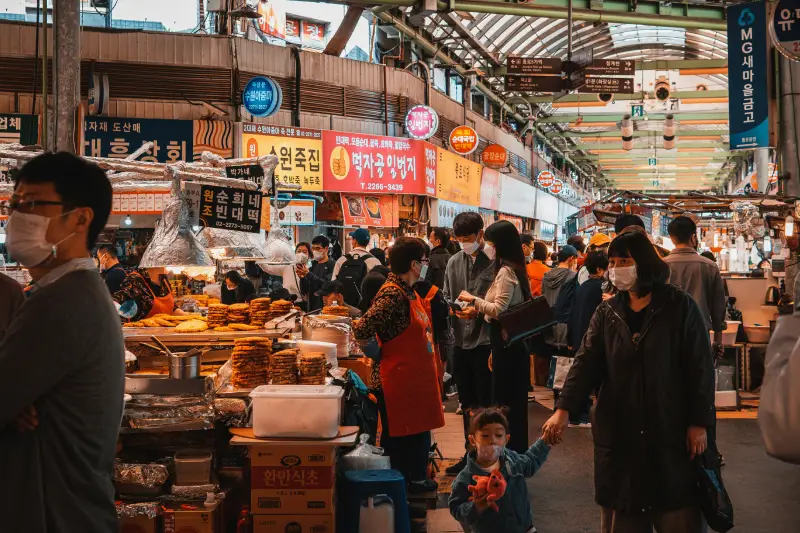
The Uffizi Gallery and Medici Patronage
The Uffizi Gallery is not merely a museum; it’s a historical archive of the Medici family’s cultural patronage. The powerful Medici family, through their wealth and influence, actively commissioned works from artists like Botticelli, Leonardo da Vinci, and Michelangelo, effectively shaping the artistic landscape. This patronage allowed artists to thrive, pushing the boundaries of creativity and technique, while also solidifying Florence’s cultural status as a hub of innovation.
The artworks housed within the Uffizi reflect the prevailing humanist philosophy of the Renaissance, celebrating human achievement, classical ideals, and a renewed interest in scientific observation. This era saw art move beyond purely religious themes to embrace portraits, mythological scenes, and landscapes, mirroring a broader cultural shift towards human-centered thought.
Florentine Craftsmanship and Daily Life
Beyond the grand masterpieces, Florentine culture is deeply embedded in its artisanal crafts. From leather goods to intricate jewelry and traditional ceramics, these crafts are not just commodities but an extension of the city’s artistic heritage. Each piece often carries techniques passed down through generations, reflecting a cultural value placed on quality, precision, and beauty in everyday objects.
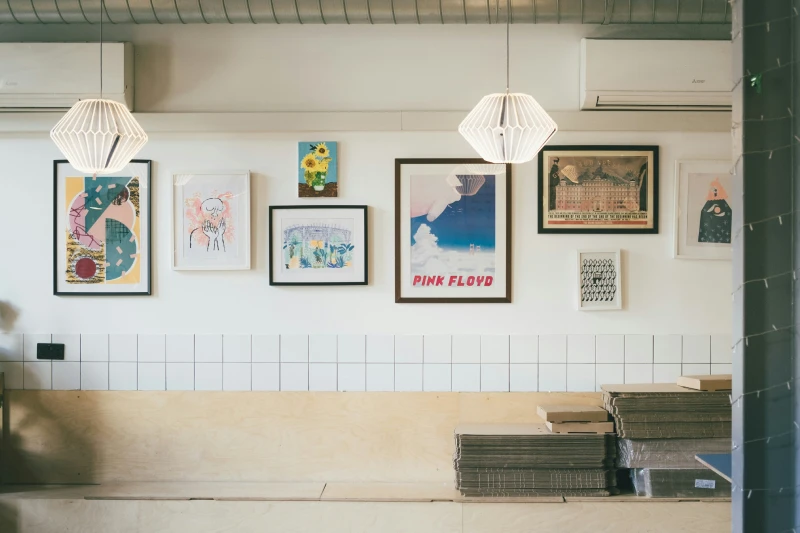
Exploring the Oltrarno district reveals workshops where artisans continue these traditions, bridging the gap between historical art and contemporary life. This living heritage demonstrates how artistic skills are integrated into the cultural fabric, providing livelihoods and preserving a unique Florentine identity.
Kyoto, Japan: Tradition, Spirituality, and Aesthetic Forms
Kyoto, the ancient capital of Japan, offers a serene yet profound example of how deeply art is intertwined with cultural and spiritual practices. Here, the pursuit of beauty is a way of life, expressed through meticulous rituals and refined aesthetics.
Read Also : Culinary Traditions: Celebrating Unique Destination Flavors

Tea Ceremony (Chanoyu) as Performance Art
The Japanese tea ceremony, or Chanoyu, is a prime example of performance art deeply rooted in Zen Buddhist philosophy and cultural etiquette. Every aspect, from the carefully chosen utensils (chawan, chaire) to the precise movements of the host and the serene garden setting, is an art form. It’s a meditative practice that emphasizes harmony, respect, purity, and tranquility (wa, kei, sei, jaku).
The aesthetics of the tea ceremony extend to the calligraphy in the alcove, the seasonal flowers, and the architecture of the tea house itself. These elements combine to create an immersive artistic experience that reflects a profound cultural appreciation for mindfulness, simplicity, and communion with nature.
Geisha Culture and Traditional Arts
The world of Geisha (or Geiko in Kyoto) is a living embodiment of traditional Japanese performing arts and cultural refinement. Geisha are highly skilled artists trained in various disciplines including classical Japanese dance (Nihon Buyō), music (shamisen, koto, flute), singing, and the art of conversation. Their elaborate kimonos, intricate hairstyles, and precise makeup are themselves works of art, reflecting centuries of aesthetic ddevelopment

Their performances, often held in private ochaya (tea houses) or public theaters, are not merely entertainment but a preservation of Japan’s intangible cultural heritage. Through their artistry, Geisha uphold and transmit ancient traditions, providing a window into a refined cultural world that values grace, discipline, and aesthetic perfection.
Marrakech, Morocco: A Symphony of Colors, Crafts, and Storytelling
Marrakech is a city that assaults the senses in the most delightful way, where art is not confined to galleries but spills onto the streets, souks, and squares. Here, traditional craftsmanship and oral traditions are the pulsating heart of its vibrant culture.

The Art of the Souk: Craftsmanship and Design
The labyrinthine souks of Marrakech are living museums of artisanal skill. From intricately patterned rugs woven by Berber women to hand-chiseled metal lanterns, vibrant ceramics, and soft leather goods, each item is a testament to generations of craftsmanship. These objects are not merely decorative; they are deeply embedded in Moroccan daily life and cultural identity, often carrying symbolic meanings and traditional motifs.
The process of creation itself is an art form, passed down from master to apprentice. Observing a tanner at work, a potter shaping clay, or a weaver at their loom offers a glimpse into the dedication and artistry that underpins Moroccan material culture. This direct connection between creator and consumer fosters an appreciation for the handmade and the stories behind each piece.
Jemaa el-Fnaa: The Art of Oral Tradition
The Jemaa el-Fnaa square, a UNESCO World Heritage site, is the beating heart of Marrakech’s cultural life and a unique stage for oral art. As dusk falls, the square transforms into an open-air theater where storytellers (hakawati), musicians, snake charmers, and acrobats perform for captivated audiences. These performances are ancient traditions, keeping alive tales, songs, and skills that form the bedrock of Moroccan cultural heritage.
The art of storytelling, in particular, is a powerful cultural practice, transmitting history, morality, and entertainment through spoken word. It highlights how intangible art forms play a crucial role in preserving collective memory and fostering community bonds in a culture rich with oral traditions.
Read Also : Unveiling Stories: Iconic Artworks & Cultural Significance
New York City, USA: A Melting Pot of Contemporary Art and Urban Culture
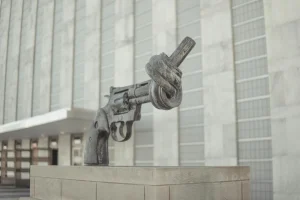
New York City, a global epicenter of finance, fashion, and innovation, is also a vibrant crucible where contemporary art and diverse urban cultures constantly collide and coalesce. It’s a city where every street corner can be a stage, and every borough a gallery.
Street Art and Graffiti: Urban Expressions
New York City’s streets are canvases for an ever-evolving array of street art and graffiti. What began as a subculture often associated with rebellion has blossomed into a recognized art form, with murals and tags adorning walls across boroughs like Brooklyn, the Bronx, and Manhattan. This art is a direct reflection of urban life, social commentary, political statements, and personal narratives, often born from the diverse cultural backgrounds of its creators.
Street art challenges traditional notions of art ownership and display, making art accessible to everyone and blurring the lines between public space and gallery. It underscores how urban culture provides a dynamic platform for artistic expression that is raw, immediate, and deeply connected to the city’s pulse.
Broadway and Performing Arts: A Cultural Icon
Broadway is synonymous with world-class theatrical productions, a cultural institution that draws millions globally. The musicals and plays staged here are a pinnacle of performing arts, combining storytelling, music, dance, and visual spectacle. These productions often tackle contemporary social issues, historical narratives, or celebrate timeless human experiences, making them powerful reflections of American and global culture.
The sheer diversity of performances, from classic revivals to experimental new works, reflects New York’s cultural dynamism. Broadway demonstrates how large-scale artistic endeavors can become central to a city’s identity, influencing popular culture and providing a shared cultural experience for a wide audience.
Bali, Indonesia: Spiritual Art and Harmonious Living
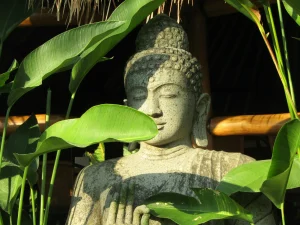
Bali, often called the “Island of the Gods,” is a place where art and spirituality are so deeply interwoven that it’s often hard to distinguish where one begins and the other ends. Balinese culture is expressed through an extraordinary array of artistic forms, all imbued with religious significance.
Balinese Dance and Gamelan Music: Sacred Performances
Balinese dance is not merely entertainment; it is a profound spiritual practice and a form of prayer. Dancers, often adorned in elaborate costumes and makeup, perform intricate movements that tell stories from Hindu epics, invoke deities, or depict ancient myths. Each gesture, each facial expression, carries symbolic meaning, connecting the physical world with the divine.
These dances are almost always accompanied by Gamelan music, an ensemble of percussion instruments (gongs, metallophones, drums) that creates a complex, hypnotic soundscape. The synergy between dance and Gamelan is a perfect example of cultural harmony and artistic collaboration, where both elements are essential to conveying the spiritual narrative and maintaining communal balance.
Read Also : Perfect Weekend Getaway Destinations for Quick Escapes and Relaxation
Offerings (Canang Sari) and Temple Art
Daily life in Bali is punctuated by the creation and placement of Canang Sari, small, intricately woven palm-leaf baskets filled with flowers, rice, incense, and sometimes money or cookies. These daily offerings are a beautiful form of ephemeral art, made with devotion as an expression of gratitude to the gods and a way to balance positive and negative forces. Their creation is a meditative act, reflecting the Balinese cultural emphasis on harmony and respect for nature and the divine.
Furthermore, Balinese temples are themselves masterpieces of architectural and sculptural art. Adorned with intricate carvings depicting mythological figures, demons, and scenes from Hindu epics, these temples serve as both places of worship and vast canvases for artistic expression. The art within the temples reinforces religious narratives and cultural values, making the sacred spaces deeply artistic.
Berlin, Germany: Historical Narratives and Modern Artistic Statements
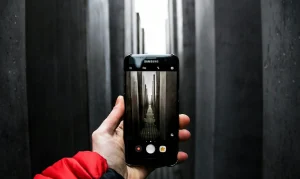
Berlin, a city marked by a tumultuous history, has transformed its scars into canvases for powerful artistic and cultural expression. It’s a place where history is confronted, processed, and reimagined through contemporary art, reflecting a culture of critical engagement and renewal.
The Berlin Wall and East Side Gallery: Art as Historical Commentary
The remnants of the Berlin Wall, particularly the East Side Gallery, stand as a monumental example of art directly engaging with historical trauma and political division. This open-air gallery features over a hundred murals painted by artists from around the world, each offering a unique perspective on the fall of the Wall, the Cold War, and hopes for a unified future. The art here is not just decorative; it’s a powerful collective memory and a statement of freedom and reconciliation.
The East Side Gallery demonstrates how art can serve as a vital tool for historical reflection and cultural healing. It transforms a symbol of oppression into a beacon of artistic expression, allowing visitors to engage with a pivotal moment in history through the eyes of artists.
Museum Island: A Cultural Treasure Trove
Berlin’s Museum Island, a UNESCO World Heritage site, is a remarkable complex of five world-renowned museums, each housing collections that span millennia and diverse cultures. From the Pergamon Altar to the bust of Nefertiti, these institutions preserve and present invaluable artistic and archaeological treasures. The very act of grouping these museums reflects a cultural commitment to education, preservation, and the celebration of human creativity across civilizations.
The island is a cultural hub where visitors can explore the artistic achievements of ancient civilizations, European masters, and Islamic art, all within a short walk. This concentration of cultural heritage underscores Berlin’s role as a city that values intellectual curiosity and global artistic dialogue.
Mexico City, Mexico: Muralism, Heritage, and Contemporary Vibrancy
Mexico City is a metropolis where ancient heritage and modern dynamism converge, and nowhere is this more evident than in its art. The city pulsates with a creative energy that honors its Indigenous roots while embracing contemporary forms, showcasing a rich interplay of art and culture.
Mexican Muralism: Public Art and Social Commentary
Mexican Muralism is perhaps the most iconic example of art deeply intertwined with national identity and social consciousness. Artists like Diego Rivera, José Clemente Orozco, and David Alfaro Siqueiros used vast public walls to depict Mexico’s history, revolution, Indigenous heritage, and struggles for justice. These murals are not just paintings; they are powerful narrative devices that educated the public and fostered a sense of national pride and collective memory.
Read Also : Exploring the Rich History and Cultural Heritage of Must-Visit Cities
Found in public buildings like the Palacio Nacional and Palacio de Bellas Artes, these murals are accessible to all, reflecting a cultural belief in art as a tool for social change and public discourse. They exemplify how art can be a direct voice of the people, reflecting and shaping a nation’s cultural narrative.
Frida Kahlo’s Casa Azul and Indigenous Influences
The Casa Azul (Blue House), the former home of Frida Kahlo and now a museum, offers an intimate look into the life and art of one of Mexico’s most celebrated artists. Kahlo’s work is profoundly influenced by Mexican popular culture, Indigenous traditions, and her personal struggles. Her vibrant use of color, symbolic imagery, and self-portraits often incorporated pre-Hispanic motifs and traditional Mexican attire, firmly rooting her art in her cultural identity.
Visiting Casa Azul highlights how Kahlo’s art was a direct extension of her life and cultural environment. It demonstrates the powerful connection between individual artistic expression and the broader cultural heritage that informs and inspires it, particularly the enduring legacy of Mexico’s Indigenous peoples.
Conclusion
The journey through these diverse destinations unequivocally reveals that art and culture are two sides of the same coin. Art is the tangible and intangible expression of a people’s beliefs, history, and way of life, while culture provides the context, inspiration, and traditions that give birth to artistic forms. Celebrating the interplay of art and culture in diverse destinations is not just about appreciating beautiful objects or captivating performances; it’s about understanding the very essence of human civilization.
From the spiritual dances of Bali to the revolutionary murals of Mexico City, and the Renaissance masterpieces of Florence to the urban canvases of New York, each place offers a unique lens through which to view this dynamic relationship. Travelers who seek out these cultural and artistic experiences gain a deeper empathy for global communities and a richer appreciation for the shared human impulse to create, communicate, and preserve heritage.
So, on your next adventure, look beyond the postcards and delve into the artistic heartbeat of your chosen destination. Engage with local artisans, witness traditional performances, and explore the stories embedded in every brushstroke and melody. It is through this active engagement that we truly celebrate and contribute to the enduring legacy of art and culture worldwide.
FAQ
The main keyword for this article is "Celebrating the Interplay of Art and Culture in Diverse Destinations," which focuses on exploring how art and culture are connected and expressed around the world.
Exploring both art and culture provides a holistic understanding of a destination. Art often serves as a visual or performance-based narrative of a culture's history, values, and daily life, while culture provides the context and inspiration for artistic creation. Together, they offer a deeper, more enriching travel experience.
In Florence, Italy, Renaissance art, propelled by patrons like the Medici family, celebrated humanism and classical ideals. This artistic movement profoundly influenced the cultural shift towards a more human-centered worldview, impacting education, philosophy, and societal values beyond just the visual arts.
Travelers can best experience this interplay by visiting local markets and artisan workshops, attending traditional performances (like Balinese dance or Japanese tea ceremonies), exploring historical sites and museums, engaging with local storytellers, and participating in cultural festivals. Opting for immersive experiences rather than just passive observation is key.
Marrakech, Morocco, particularly its Jemaa el-Fnaa square, is an excellent destination for experiencing traditional oral art forms. Here, storytellers (hakawati), musicians, and performers keep ancient tales and traditions alive through live performances, offering a unique glimpse into Moroccan cultural heritage.

Popular Posts


Embracing Spiritual Growth Through Travel and Exploration
Travel is more than just seeing new places; it's a profound journey into oneself. This article explores how embracing travel and exploration can significantly contribute to your spiritual growth, offering unique perspectives and transformative experiences.



One thought on “Celebrating Art & Culture in Diverse Destinations”